
Travel insurance for women over 50 is somewhat different than travel insurance for younger people.
Travel insurance is something you hope you won’t need, but you’ll wish you’d gotten it if something happens on the trip. It may be the least glamorous purchase of any trip, and sometimes the most important one.
Nobody daydreams about deductibles while browsing videos of people clinking champagne glasses in a Parisienne cafe.
But one twisted ankle on a Madrid street, or one cancelled connection due to a union strike —common in Europe— and your uninsured dream trip can turn into a five-figure travel nightmare. And, unfortunately, the odds of needing coverage increase a little with every decade.

So, yes, you do need travel insurance, especially as you get older, but the key is how to pick a policy that actually pays when it matters.
Insurance premiums climb after 50 and beyond. Exclusions multiply, and the marketing language gets more and more obtuse, so it becomes increasingly difficult to sort out what you really need. I’ve bought a lot of policies over the years, so let me share what I’ve learned through research and hard knocks. Hint: Read the fine print.
Why Insurance Changes After 50
Insurers are not risk takers. Their data tells them that travelers over 50 file more medical claims, take longer trips, and carry more pre-existing conditions than younger travelers. So the same two-week trip that costs a 35-year-old a modest sum costs a 62-year-old noticeably more, with steeper jumps at 60, 70, and beyond. That’s why they ask you your age when you consider a policy.
Don’t let that stop you from getting coverage. You just have to shop smarter. Travel insurance for seniors over 50 varies enormously between providers. The difference between the best-value policy and the worst can be hundreds of dollars for the same coverage. Knowing what actually matters in a policy, and what’s just padding, is where the savings live.
The Coverage That Actually Matters
Emergency Medical: The Non-Negotiable Core
We’ve all heard the travel horror story of the broken leg that stopped someone from continuing the trip or the slip on a rainy street that caused the back to go out and a return home. Don’t be that storyteller.
If you buy nothing else, get medical coverage. Many domestic health plans, including U.S. Medicare in most circumstances, cover little or nothing outside their borders.
Don’t assume that if you have insurance at home it’ll cover you anywhere else. A hospital stay abroad gets billed directly to you, and costs in places like the United States, Japan, or Western Europe escalate fast.
Good travel medical insurance for women over 50 and beyond should include at least $100,000 in emergency medical coverage for international trips. In fact, many advisors suggest $250,000 or more for remote destinations or cruises. And if you’re cruising, consider cruise-specific travel insurance.
Make sure to check whether the policy pays providers directly or reimburses you afterward. Direct payment spares you from fronting enormous sums on a credit card in a foreign hospital lobby while you squirm in pain.
Emergency Evacuation and Repatriation
Medical evacuation is the part of the policy nobody thinks about until they need it.
OK. Hold on to your hat. If you fall seriously ill on a small island, aboard a ship, or in a remote village, transportation to an adequate hospital can run anywhere from $25,000 to well over $200,000.
Look for evacuation coverage of at least $250,000. If treatment will be prolonged. confirm it includes transport home, not just to the nearest facility because you don’t know what that facility is like. This single line item justifies the whole premium if cruising or traveling in remote itineraries.
At the risk of being blunt, if you can’t afford the insurance cost, you might want to reconsider the trip or hold off until a later date. It’s just not worth it.
Trip Cancellation and Interruption
As we get older, after 50 and beyond, our trips tend to be longer, more expensive, and booked further out. This means there is more money at risk between the time you make your deposit and the departure date.
Cancellation coverage refunds your prepaid, non-refundable costs when a covered reason — illness, injury, a family emergency — stops you from traveling. Interruption coverage does the same when something cuts a trip short and sends you home early.

Read the list of covered reasons carefully. If you want the freedom to cancel for reasons the standard list leaves out, a Cancel For Any Reason upgrade typically returns 50 to 75 percent of trip costs.
Just know it usually has to be purchased within two to three weeks of your first trip payment. Cancel For Any Reason (CAR) tends to be significantly more expensive.
Pre-Existing Conditions: The Clause That Decides Everything
Insurers define a pre-existing condition as anything diagnosed, treated, or showing symptoms during a lookback period, commonly 60 to 180 days before you buy the policy. Claims traced to those conditions get denied unless your policy includes a pre-existing condition waiver.
The waiver is usually free, but it comes with conditions. Most insurers require you to buy the policy within 14 to 21 days of your initial trip deposit, insure the full non-refundable trip cost, and be medically fit to travel on the purchase date.
Miss that window and the waiver is generally gone for that trip. Make sure to discuss this with your insurance agent (the representative of the company selling you the policy) and get it in writing.
This is where policies for midlife travelers are won and lost, so read this section twice.
- Buy your policy the same week you make your first trip payment. This one habit preserves your waiver eligibility.
- Remember that managed conditions still count. Controlled blood pressure, thyroid medication, even a medication adjustment during the lookback period can all qualify as pre-existing.
- Answer the health questions with complete honesty. A claim investigator will find any discrepancy, and the denial will be entirely legal.
- Confirm the waiver covers cancellation claims as well as medical ones. Some policies split the two.
Travel Insurance for Solo Female Travelers Over 50
Traveling alone requires additional consideration worth paying special attention to. If something happens to you on a trip while you’re alone, there’s no one to collect your belongings, manage logistics or just hold your hand in an unfamiliar location. The right travel insurance for solo female travelers over 50 fills those gaps with features couples rarely think about. This can include:
- A 24/7 emergency assistance line that locates vetted hospitals, arranges translators, and coordinates care on your behalf.
- A bedside companion benefit that flies a family member or friend to you if you’re hospitalized beyond a set number of days
- Non-medical evacuation for natural disasters or civil unrest, for when what you need is simply a safe way out.
- Baggage coverage, because a solo traveler who loses a bag has nobody to borrow from.
- Missed connection and delay benefits that pay for hotels and meals when you’re rerouted alone at midnight
Good solo traveler insurance for women over 50—or anyone else— works like the travel companion you didn’t bring: informed, calm, reachable at 3 a.m., and financially useful. Before you leave, store the assistance number in your phone and write it on a card in your wallet.

How to Compare Policies Without Going Crazy
Comparison sites make it easy to line up quotes, but price alone is a poor guide. Here’s the sequence I use:
- Start with your actual trip. List the things that insurance could address first: the cost of the trip, activities, your health profile, destination. Some destinations are considered less safe than others, and then there are the destinations that you can’t get insurance for at all. Match coverage to that list.
- Compare medical and evacuation limits before anything else. Clearly these are the most important, so focus on these and make sure you understand them. Cancellation benefits tend to be easier to understand.
- Read the exclusions page in full. Ten minutes there teaches you more than an hour of marketing sales pitches and blah-blah-blah. You don’t want to submit a claim only to be told that particular issue is not covered.
- Check the age limits. All insurers increase prices the older you get. But some increase the prices faster than others depending on the age range. Some insurers price gently up to 69, others jump sharply at 60. Some insurers cap eligibility on annual multi-trip policies.
- If you travel three or more times a year, compare the price of an annual policy against single-trip coverage. Frequent travelers often save meaningfully.
- As with any purchase, read the company reviews. Look up independent claim-payment reviews. You know how good an insurer is when you submit a claim, not at checkout.
And if you ever do need to claim, document everything. Make sure to keep receipts, get written medical reports, file police reports for theft within 24 hours, and notify the insurer as soon as you reasonably can. Clean paperwork is the difference between a smooth payout and a months-long argument.

What It Costs, and the Mistakes That Cost More
As a very rough guide, comprehensive coverage runs about 5 to 10 percent of your total prepaid trip cost for travelers in their fifties. This cost increases toward the higher end through the sixties and beyond.
A $4,000 European trip might carry a premium of $200 to $400 depending on age, medical limits, and upgrades.
Medical-only policies, which skip the cancellation benefits, cost considerably less and suit travelers whose bookings are mostly refundable. For example, if your credit card covers flight cancellations or you’re flying business, which tends to be refundable depending on certain conditions, don’t include that cost in your policy.
Whichever policy you end up considering, try to avoid the mistakes that quietly void good policies:
- Relying only on credit card travel benefits, which often carry low medical limits, no evacuation coverage, and age restrictions buried in the fine print. Credit card insurance is good; just don’t depend on it exclusively.
- Waiting until the week before departure to buy, which forfeits the pre-existing waiver and any early-purchase benefits. The rule of thumb is to buy insurance as soon as you make your first deposit on the trip.
- Underdeclaring your trip cost to shave the premium can invalidate the waiver and leave part of your investment exposed. Declare the total value of the trip, or you won’t get the total value of the claim. Obviously.
- Make sure that whatever activity you are going to engage in is covered. Ignoring activity exclusions — even gentle adventures like snorkeling, e-biking, or high-altitude touring are excluded by some standard policies.
- Assuming cruises are covered like ordinary trips, when many insurers require cruise-specific benefits for missed ports and shipboard care.
Five minutes spent avoiding these traps routinely saves travelers thousands. It costs nothing but attention.
The Bottom Line
The best policy for a woman over 50 is rarely—actually, never— the cheapest. It’s the one with strong medical and evacuation limits, a pre-existing condition waiver secured by buying early, honest disclosure behind it, and an assistance line you’d trust in a crisis. Everything else is negotiable.

Travel Insurance for women over 50 is never going to be the sexy and exciting part of the trip. You buy it so the exciting parts of the trip stay exciting. Don’t hesitate to choose well and be worry-free for your next adventure.
This site is a good place to start for comparing policies depending on your specific needs and characteristics.
What are your thoughts on travel insurance for women over 50? Have you ever had to use your travel insurance? I’d love to hear how it went — good or bad — in the comments.
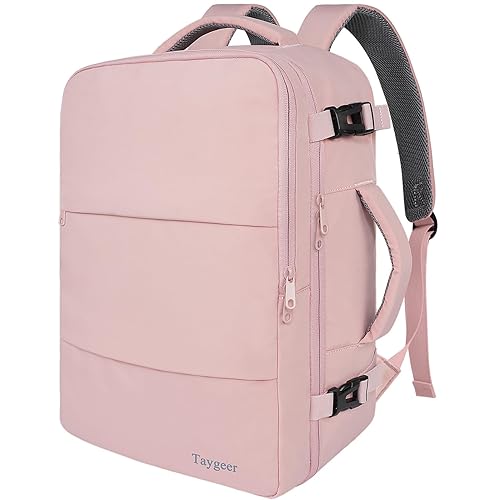
Here are a couple of cute travel accessories for women at any age.



BTW, if you are getting ready for your trip, make sure to take advantage of these useful, money-saving links to book your trip:
- Research and book your flight with Skyscanner. I have found them to be the best because they list all airlines including the budget ones. You are always sure of having researched all options.
- For car rental around the world, Discover Cars has flexible pickup and drop-off options, I recommend Discover Cars.
- Book your accommodation with Booking.com. I find they have a wide selection and a nice, user-friendly, transparent website.
- Protect your trip and, more importantly, protect yourself with travel insurance. I use Travelinsurance.com and have been very happy with them.
- For more general tours to any destination or attraction, book with Viator. Check them out.
- Need a visa? Get your visa for all countries with Passport Visa Express.
- Looking for a cool walking tour to explore a city? My favorite walking tours are offered by Take Walks.
- Food and drink tours are the best way to enjoy a city. And Devour Tours are my favorite.
- Looking for a good VPN to protect your security, privacy and freedom online while traveling? Nordvpn is your best option.
- The best and most economical way to stay connected while traveling is with an Airalo eSIM.
I personally use, and can recommend, all the companies listed here and elsewhere on my blog. By booking through these sites, the small commission we earn – at no cost to you – helps us maintain this site so we can continue to offer our readers valuable travel tips and advice.