
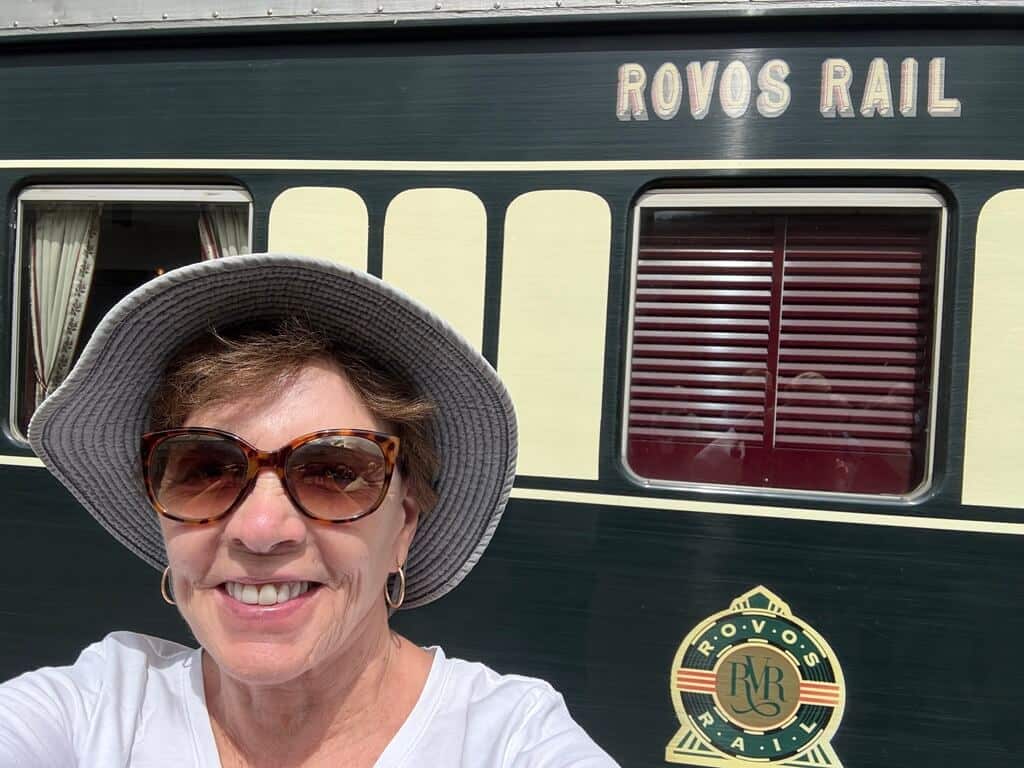
Our 14-day Rovos Rail train journey across Namibia from Walvis Bay to Pretoria, South Africa, was memorable to say the least.
Rovos Rail is a train journey company that operates train journeys across Africa. I guess you could call it a luxury train journey.
I decided to experience this tour because Namibia is a fascinating destination and what better way than to explore it by train.
Namibia!
With a population of about 3 million, Namibia’s history and culture are shaped by deep ancient roots, colonial upheaval and its diverse people. For thousands of years, the region was home to hunter-gatherers and farmers, contributing unique languages and traditions.
Germany declared the territory a protectorate known as German South-West Africa in 1884. After Germany’s defeat in World War I, South Africa took control, imposing apartheid policies that severely restricted the rights of the majority population.
After a long liberation struggle and international pressure, Namibia finally gained independence on March 21, 1990, becoming one of Africa’s youngest nations. Today, Namibia is home to more than a dozen distinct communities.
Namibia also embraces vibrant artistic expression, from contemporary visual art in Windhoek, its capital city, to traditional performances in rural villages.
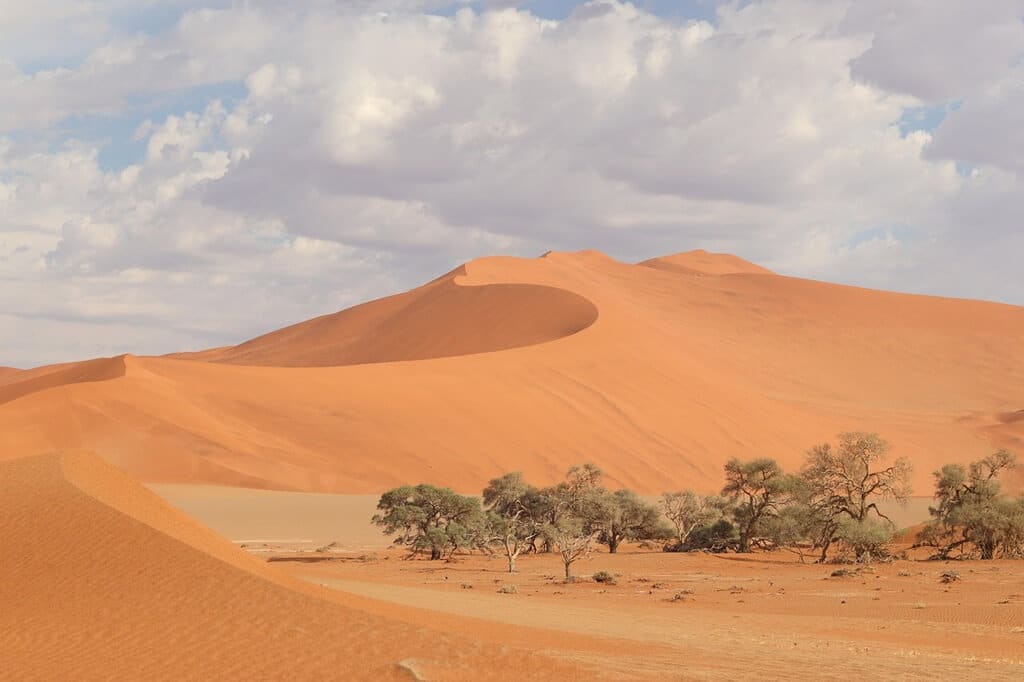
Most striking are Namibia’s breathtaking landscapes. The Namib Desert, which Namibia is named for, is the oldest in the world. It boasts dramatic desert dunes, wildlife-rich plains and Atlantic coastlines like the Skeleton Coast.
And what better way to experience these sights than with a Rovos Rail train journey?
Getting to Namibia
Coming from the United States, getting to the train journey starting point of Walvis Bay in Namibia was a challenge. We traveled from Miami to JFK in New York City to Qatar to Johannesburg, South Africa to Walvis Bay, where the train left from, and then to Swakopmund, Namibia.
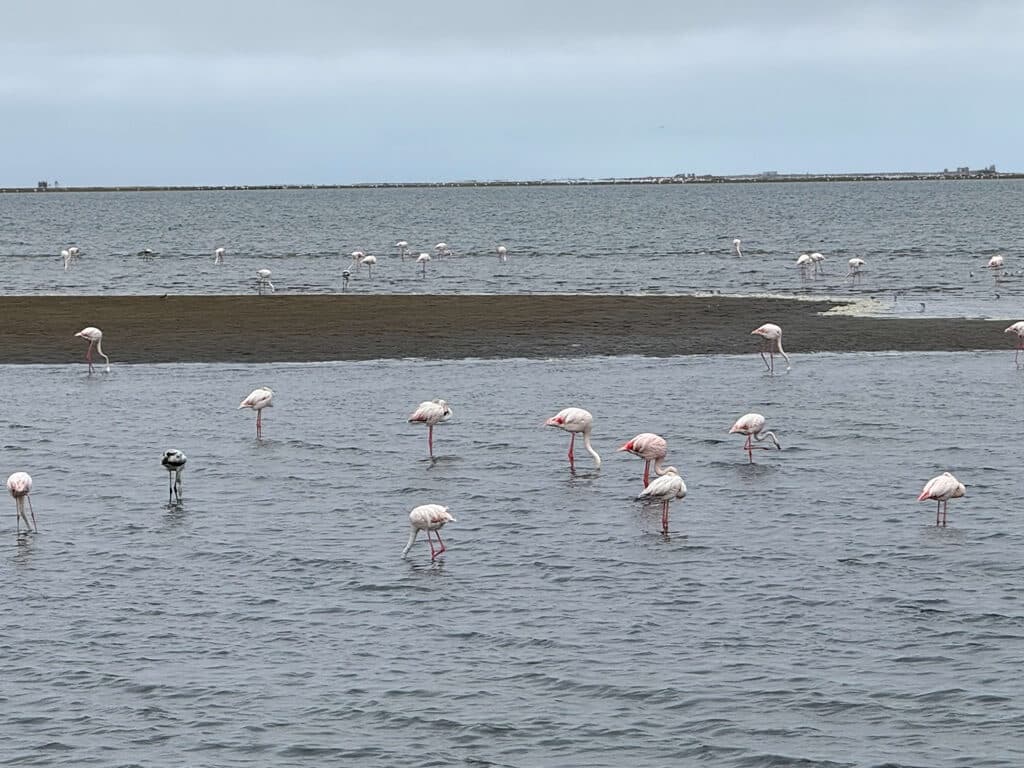
Even though the train left from Walvis Bay, we were advised to stay in Swakopmund before the train journey because Walvis Bay is an industrial town with no tourism other than a nice bay full of flamingos.
Boy, was that a good suggestion. We stayed in The Strand, a lovely hotel in Swakopmund, for two days before the train tour.
Day 1 Swakopmund
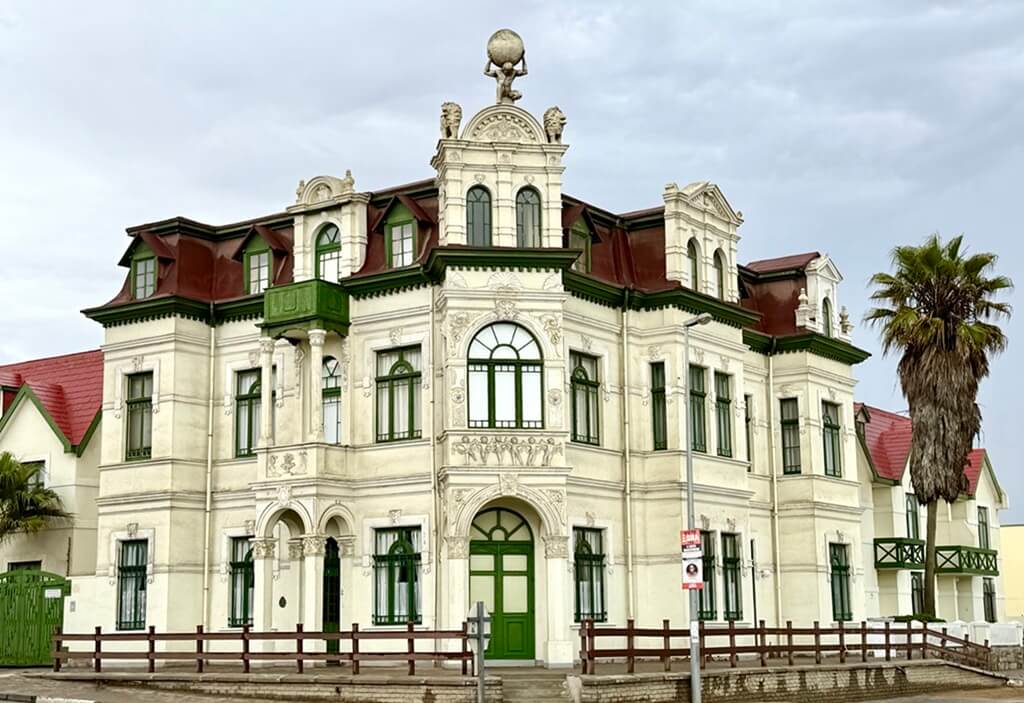
Swakopmund is a totally German town with German stores, food, architecture and street names. German is spoken widely along with other local languages.
Visitors can explore its German colonial architecture, stroll the palm-lined promenade, or relax on the wide, sandy beaches.
EcoMarine tours offer chances to see dolphins, seals, and even whales. The Swakopmund Jetty is perfect for sunset views, and the town’s cafes, craft markets, and museums provide cultural insight.
Day 2 Sandwich Harbor in Walvis Bay
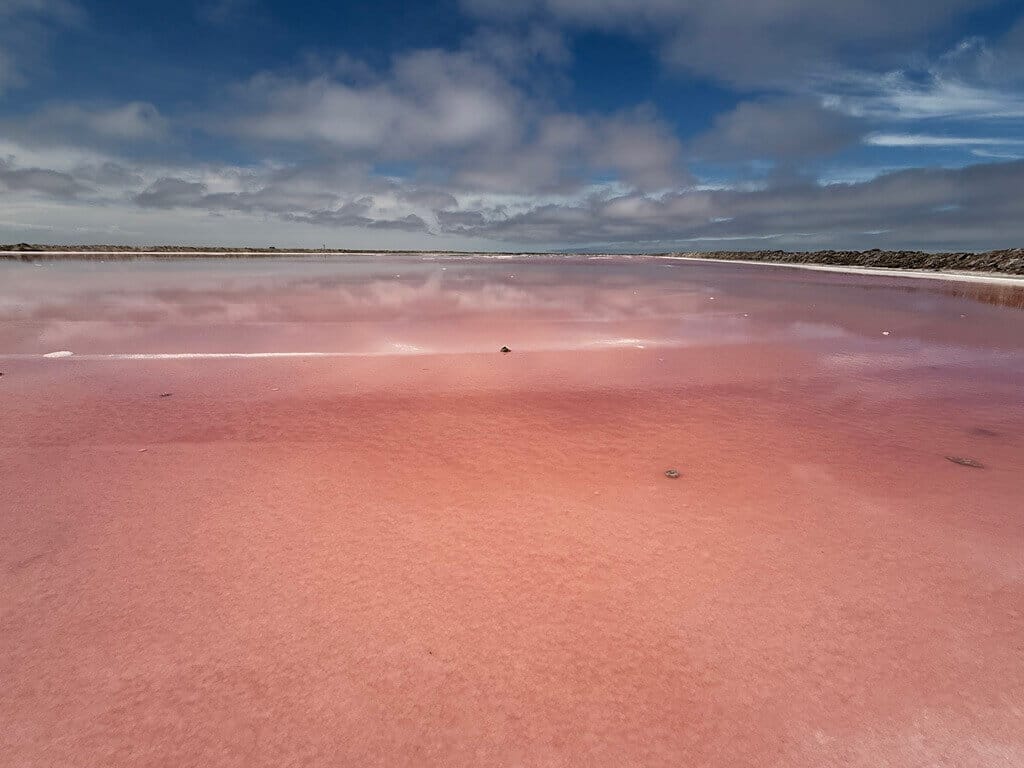
We took a tour to Sandwich Harbor to see the flamingos, which are actually white but whose pink color comes from the shrimp they eat.
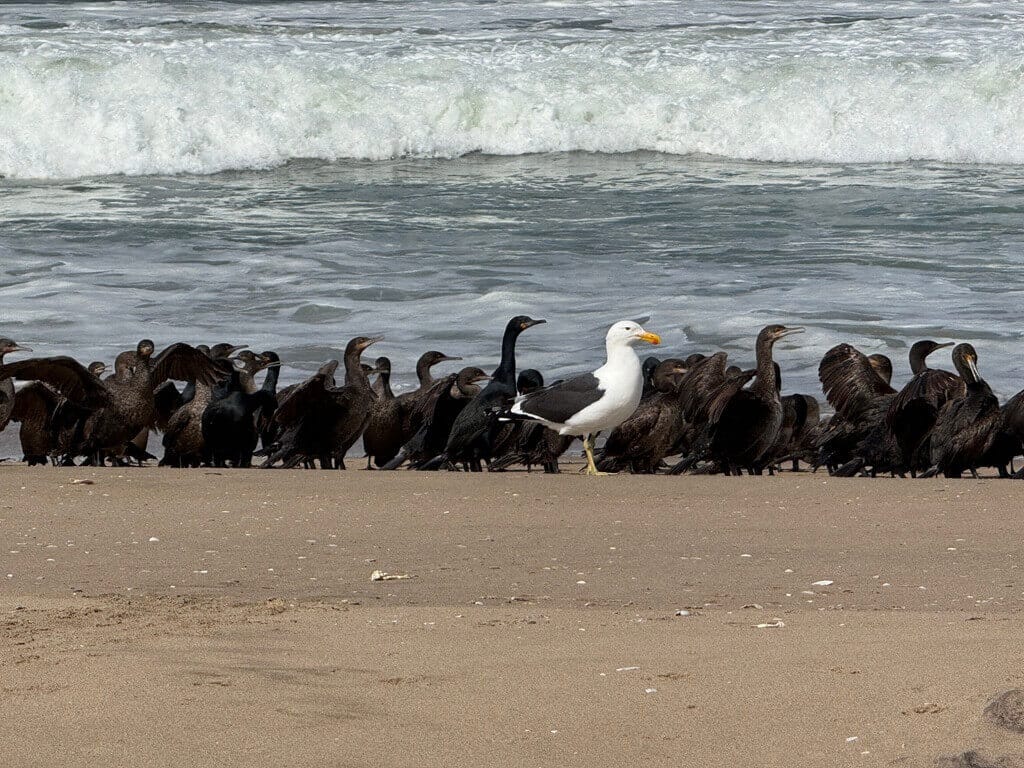

Next stop, the Skeleton Coast, so named for the bones of both humans and animals that have been deposited there over the centuries, rather than for the ships that have been shipwrecked in the area.
This is where the dunes meet the Atlantic Ocean, creating an otherworldly landscape.
Day 3: The Start of our Rovos Rail Train Journey at Walvis Bay
This is where you meet the train for the first time. The Rovos Rail has an air of old-world elegance and luxury.
There are 20 cars consisting of 2 lounges, a massive kitchen, 2 dining cars, an open-air observation deck and the rest are passenger en-suite cabins.
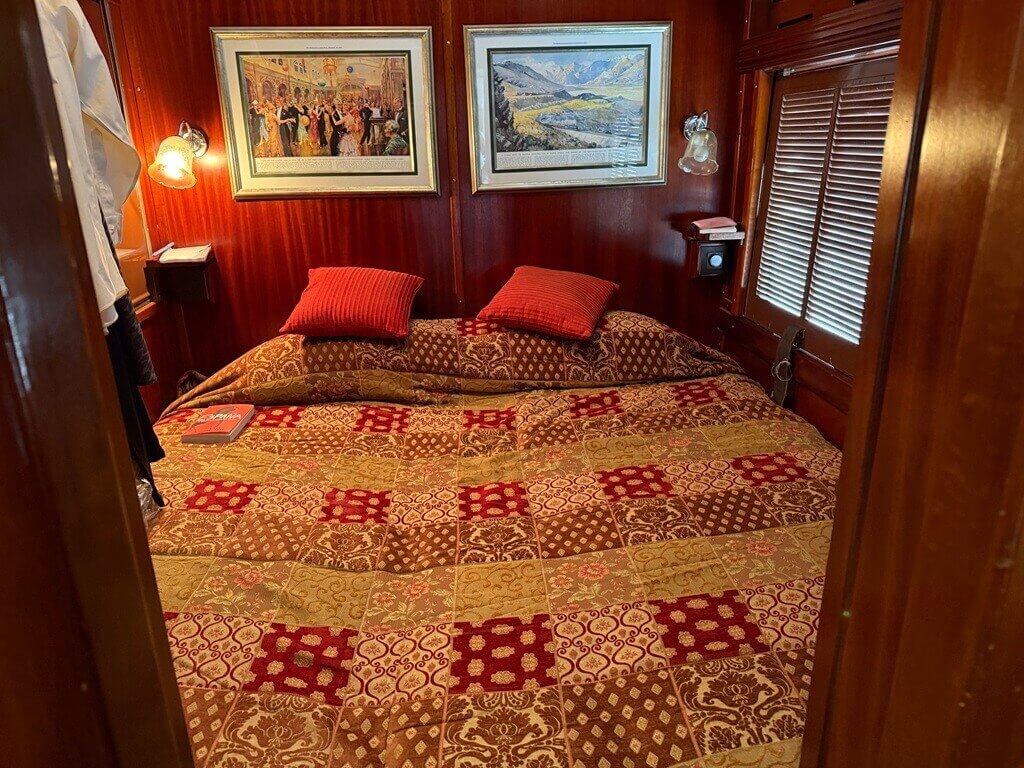
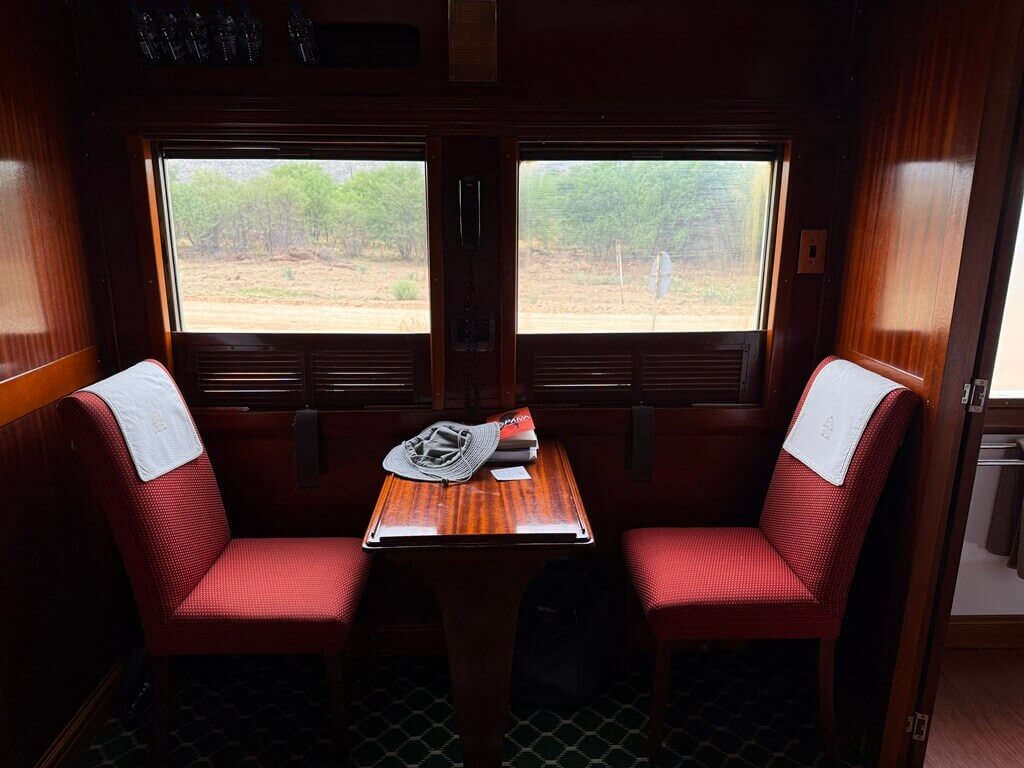
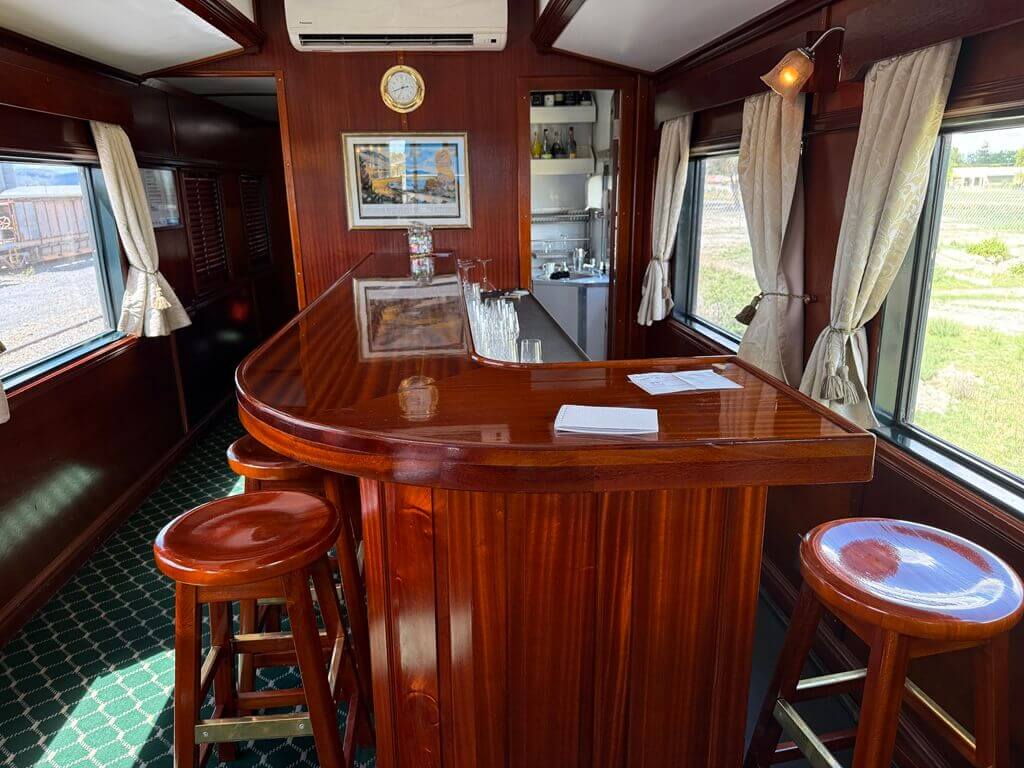
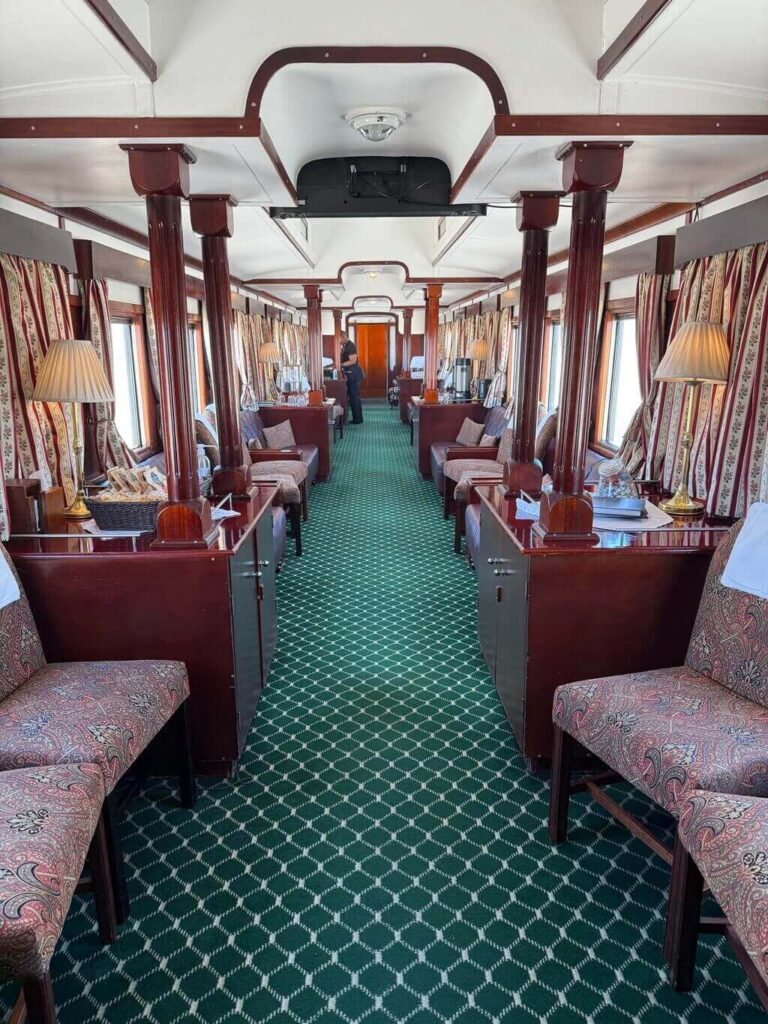
The cabins are certainly compact but comfortable, cleverly positioned little nooks and crannies for passengers to store their possessions. The bedding is cozy and the train’s rumbling helps to lull you to sleep.
Each day there is an excursion to an especially interesting destination in the area. So you travel across the African continent without ever having to pack and unpack.
And Then There’s the Food…Ah…the food.
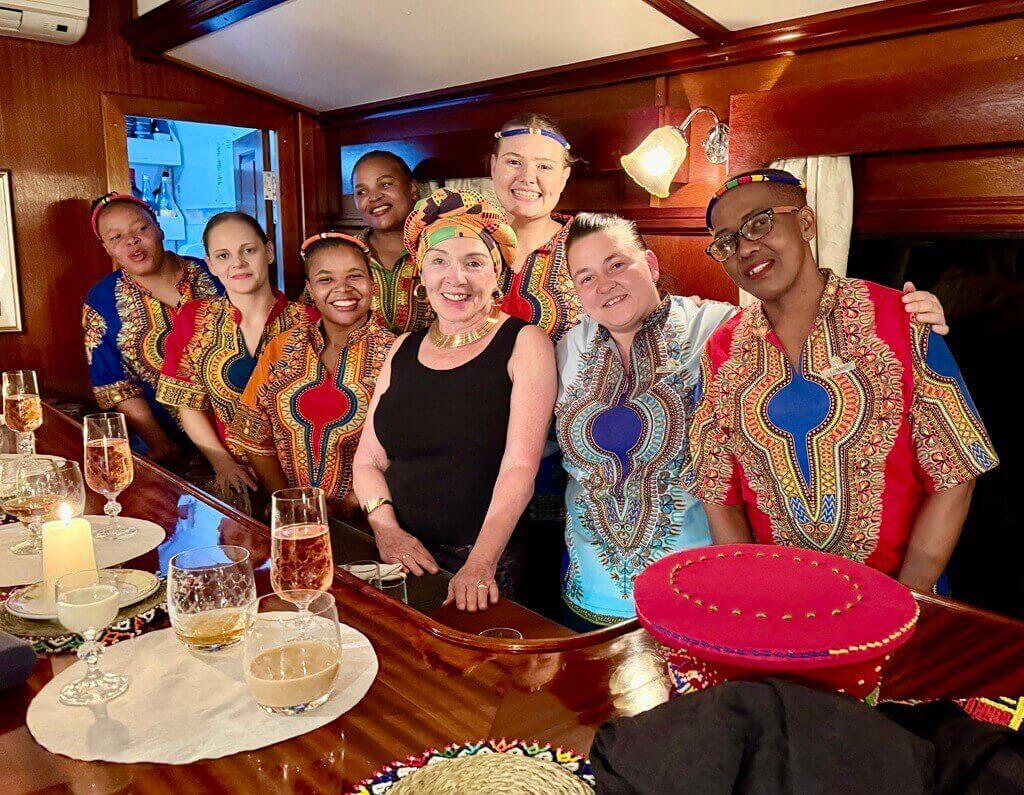
If there is one thing a Rovos Rail train journey specializes in, its the two features of the trip that are especially memorable: the gracious and impeccable service and the quality and variety of the food on board.
The breakfasts are the standard American type, although you do get choices, but the lunches and dinners are outstanding feasts for the senses.
The four-course menus range from the exotic crocodile soufflé to game steaks to the more mundane roast chicken and everything in between.
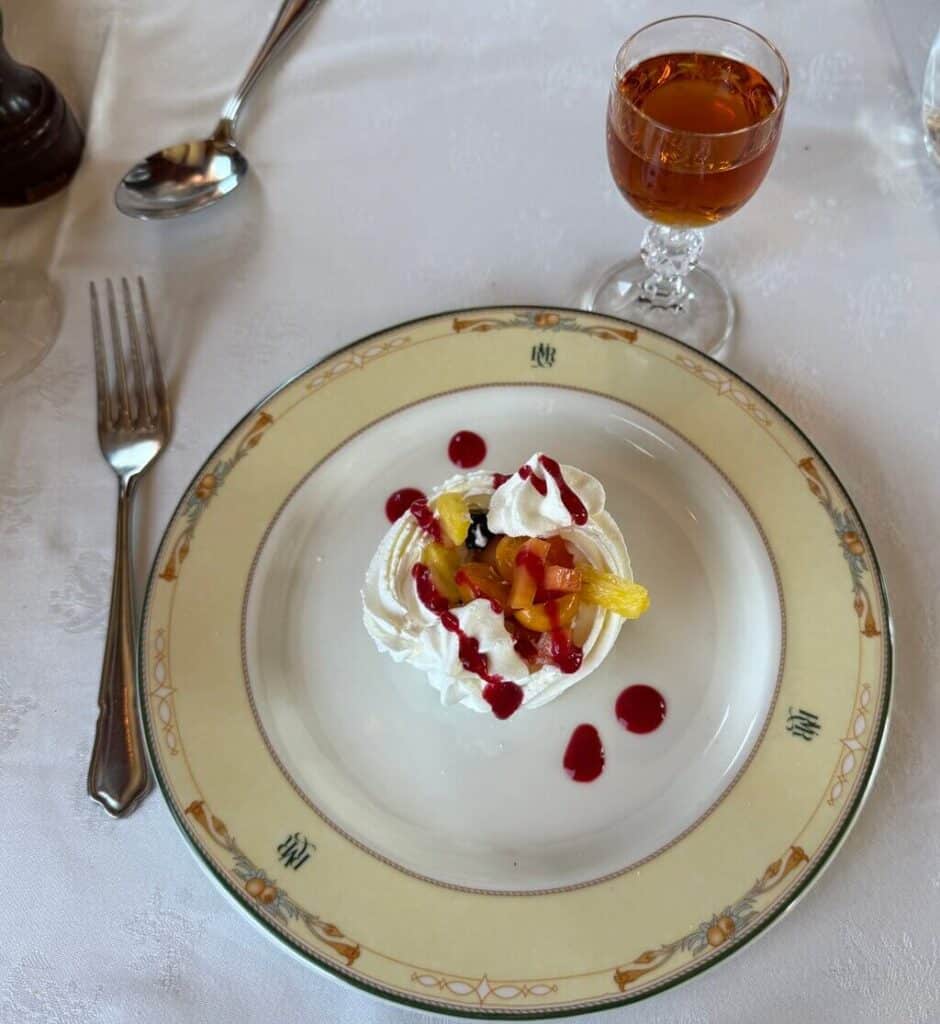
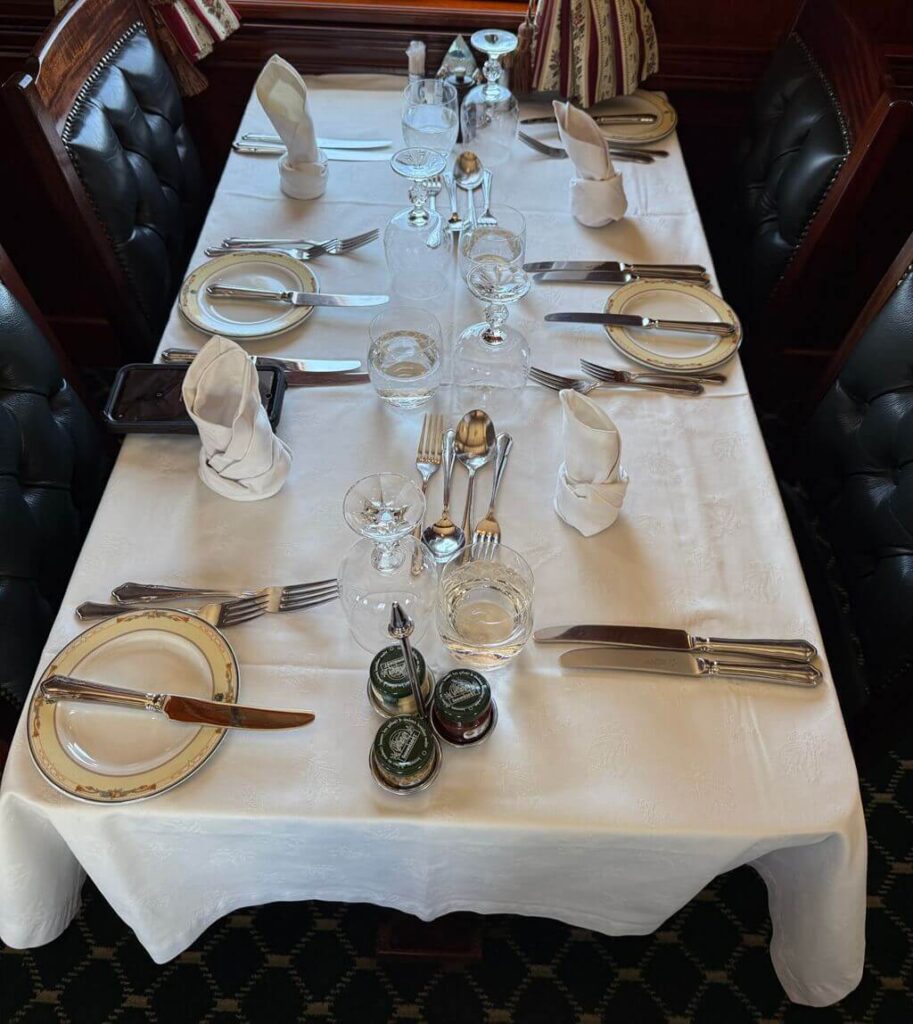
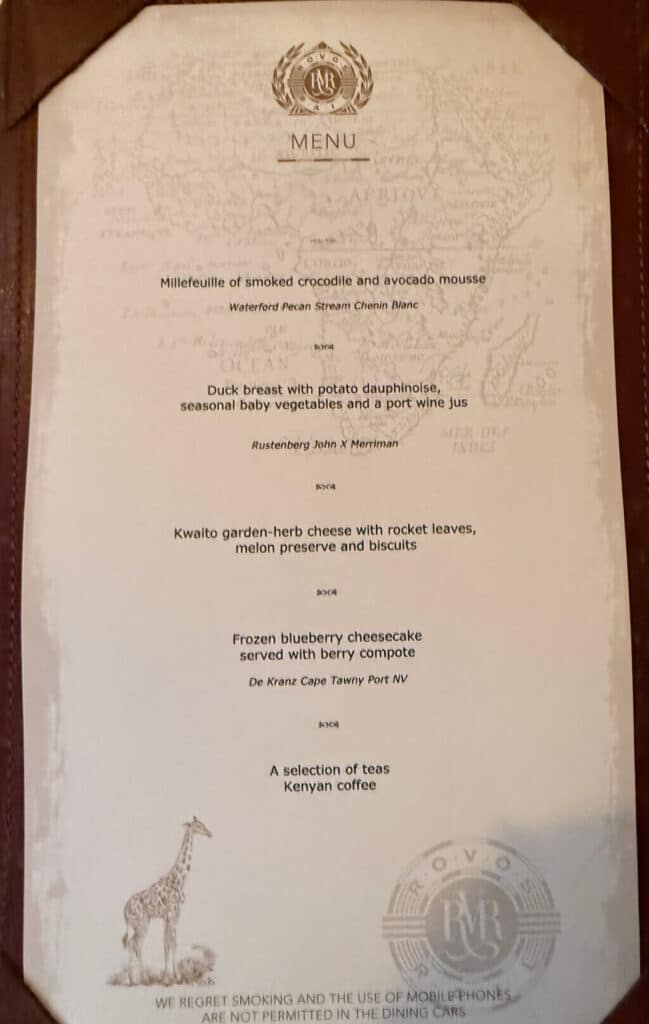
You begin your meal with a starter, followed by a main dish, then a cheese plate and finally a delectable dessert. Each course if paired with a wine, which in itself is a delight. All desserts are accompanied by a dessert wine, like a Cointreau.
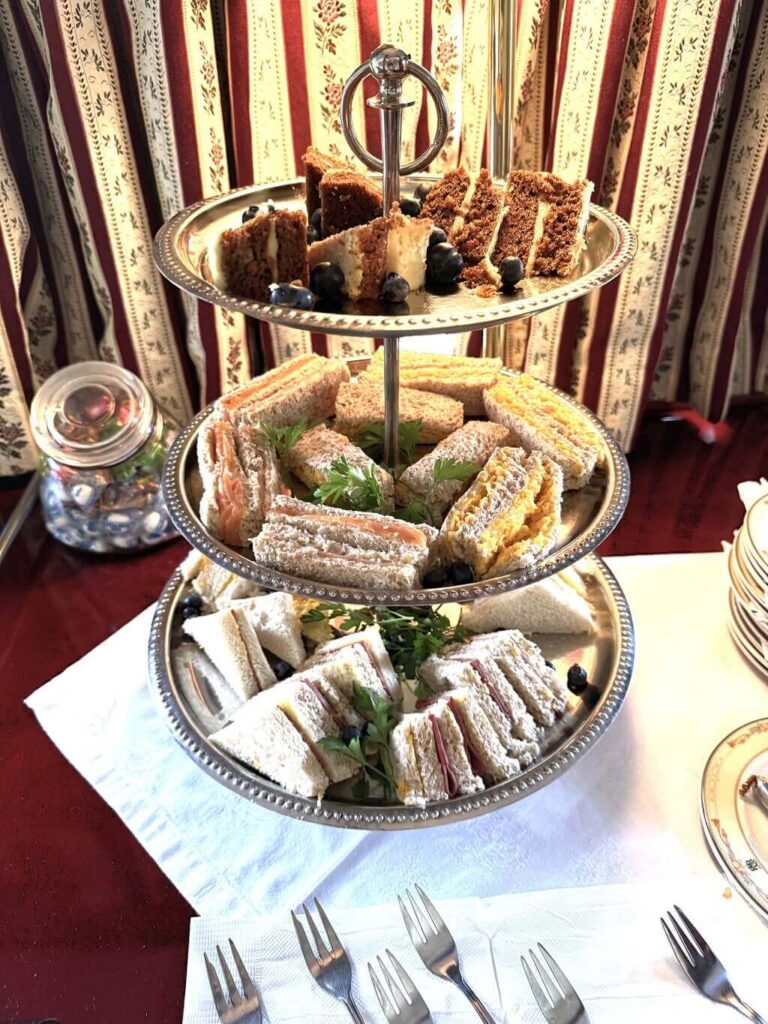
And did I mention the 4:30 PM Tea Time with the cute 3-tiered little tray displaying an array of cakes and finger sandwiches?
If you’re going to break your diet, and you will, this is the place to do it. The meals were the equivalent of a four-course, 5-Star Michelin Restaurant experience…twice a day!
So what delectable dishes were we treated to on this journey? We ate kudu, springbok, elan, oryx, crocodile, ostrich and caterpillars, among others.
The attention to detail at mealtime was outstanding. They always managed to deliver the plate at the exact ideal temperature; warm hot plates and cool dessert creations, chilled white wine, and room temperature reds.
The breakfast toast caddies always kept the croisants, muffins and olive toast warm.
For some reason, I found the butter dish especially delightful. It keeps the butter at the perfect temperature throughout the meal.
It’s the little things like this that really make the meal; the joy and art of dining.
The waitstaff was attentive and gracious, always asking if we needed something…and the wine flowed like water.
Day 4 Cheetah Conservation Project
Cheetah numbers have declined 90% over the past 100 years. The Cheetah Conservation Project aims to protect the cheetah by employing a holistic approach that balances the needs of the local population, wildlife and the land.
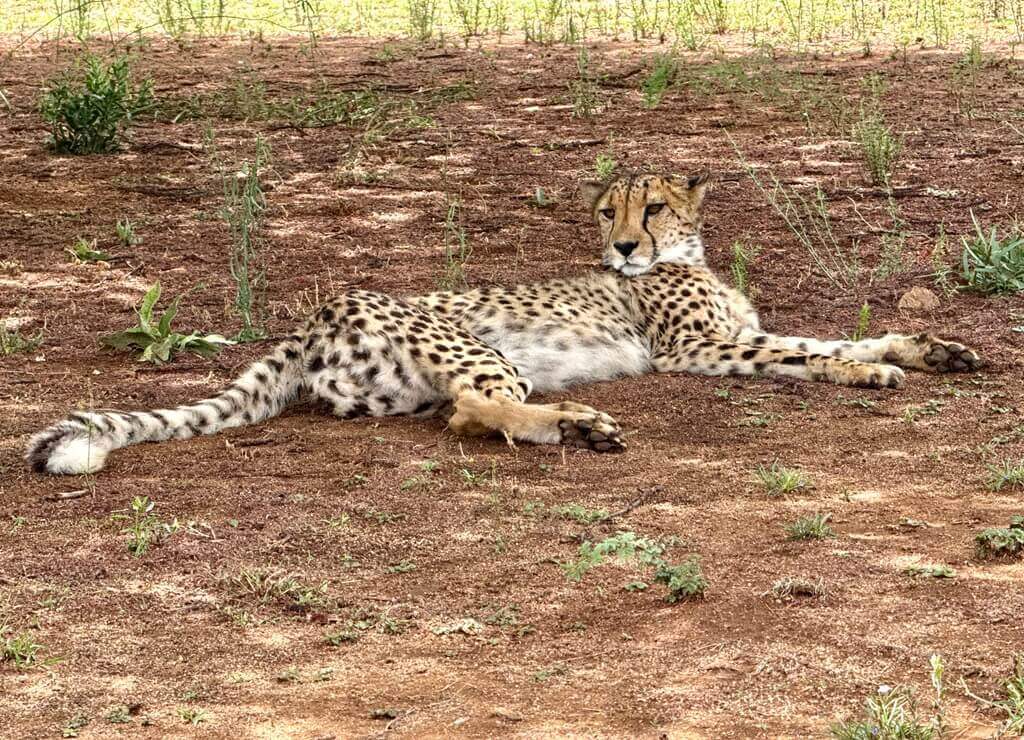
Although the Conservation Center is all about cheetahs they also have a reptile enclosure with everything from friendly boas to deadly black mambas. The guide will give explanations and you can even pet the friendly snakes, should you be so inclined.
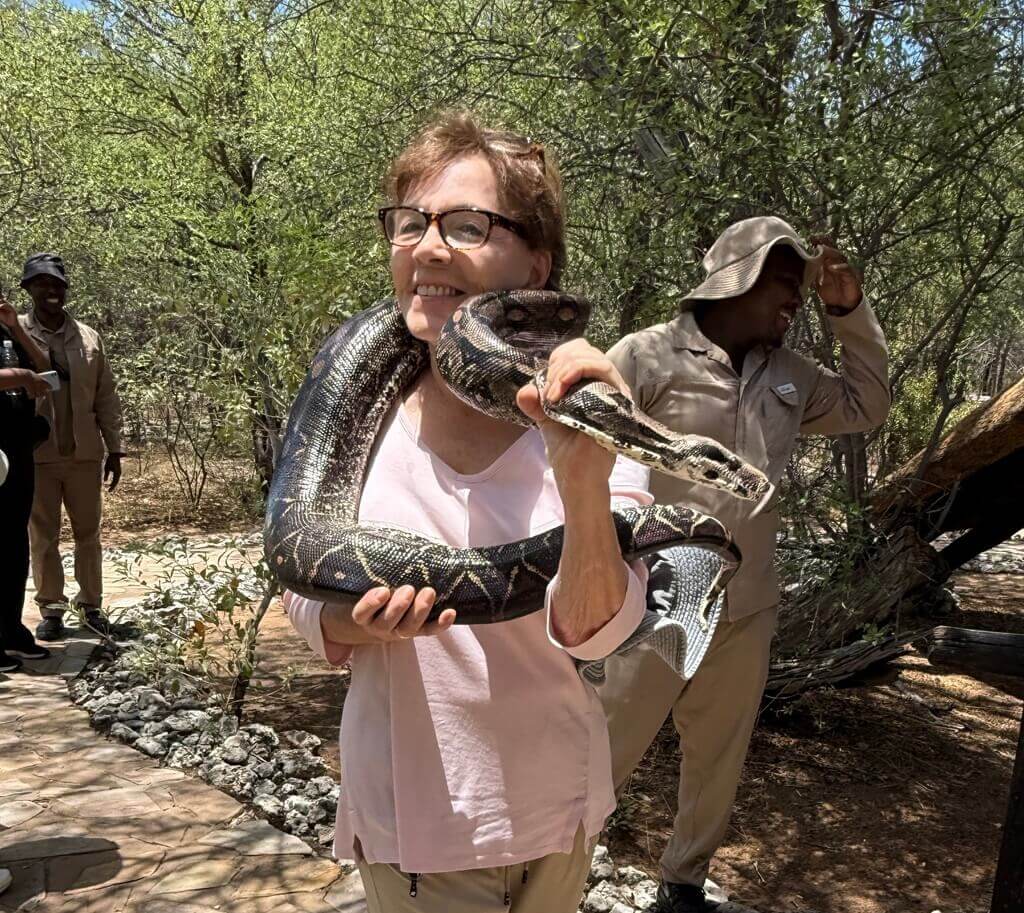
After a busy day and delightful meals you can chill out and see the world go by from the observation deck or hang out in the lounge to relax and chat with your fellow guests.
Who Goes on These Rovos Rail Train Journeys?
So who are these guests? What kind of people go on these Rovos Rail Train journeys?
The group tends to be older, but there are many multi-generational travelers; mother-daughter, etc., so the age ranges really vary. There were no children on board.
These travelers are the world’s true explorers. The people you meet on a trans-Namibian train journey are the same people who backpacked across Europe in their 20s and explored Afghanistan and Iran when you could actually do it without the hassles.
I met a group of Italians who travel almost constantly throughout the year, and Anita, a statistician formally with the U.S. government who had traveled to over 147 countries and expected to visit them all.
These seem to be people who choose careers based on the travel opportunities those careers offer; exporters, foreign service employees, international business professionals and the like. The common theme of these train guests is a passion for travel.
Nationality-wise there are more Europeans than anyone else; Dutch, due to the historical connection with South Africa and Namibia, Scandinavians, Italians, Germans and Brits. There was a smattering of Americans, perhaps 5-10% of the total. I saw no Asians or Latin Americans. Perhaps they are on other Rovos Rail journeys.
Overall, this was a friendly group of intellectually curious people out to have a pleasant time in a fascinating country.
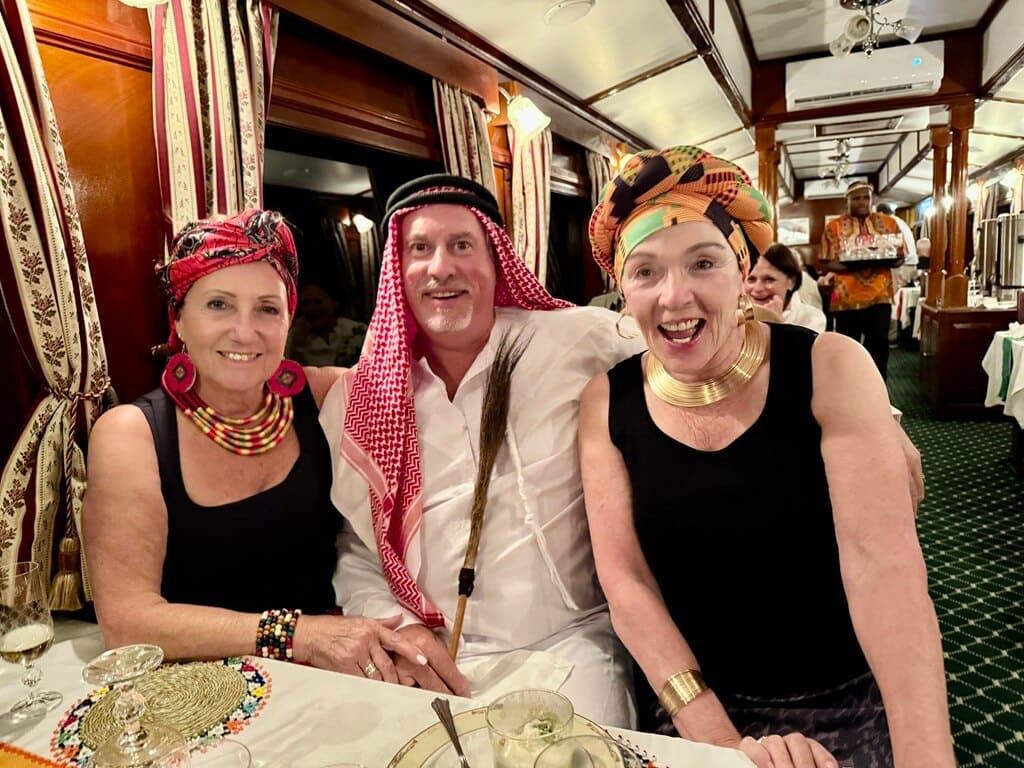
Since two of the nights on the train were theme nights; Africa Night and 1920s Night, everyone got into the swing of it and dressed up.
There were solo travelers who quickly met people to chat with. Solo women can join this tour and count on safety, companionship and fun.
Day 5 Etosha Lodge in Etosha National Park
There were two days on the Rovos Rail train journey when we stayed at a lodge. This stop at the Etosha lodge was one of them.
Etosha Lodge is inside Etosha National Park, and it caters to all kinds of safari lovers. As the climate is very dry, the concentration of big game around the waterholes makes game viewing incredibly rewarding.
We walked out of our tent and came face to face with a sable and her baby just hanging out. I understand this is pretty common. In fact, there are signs all over advising people not to approach the wildlife.
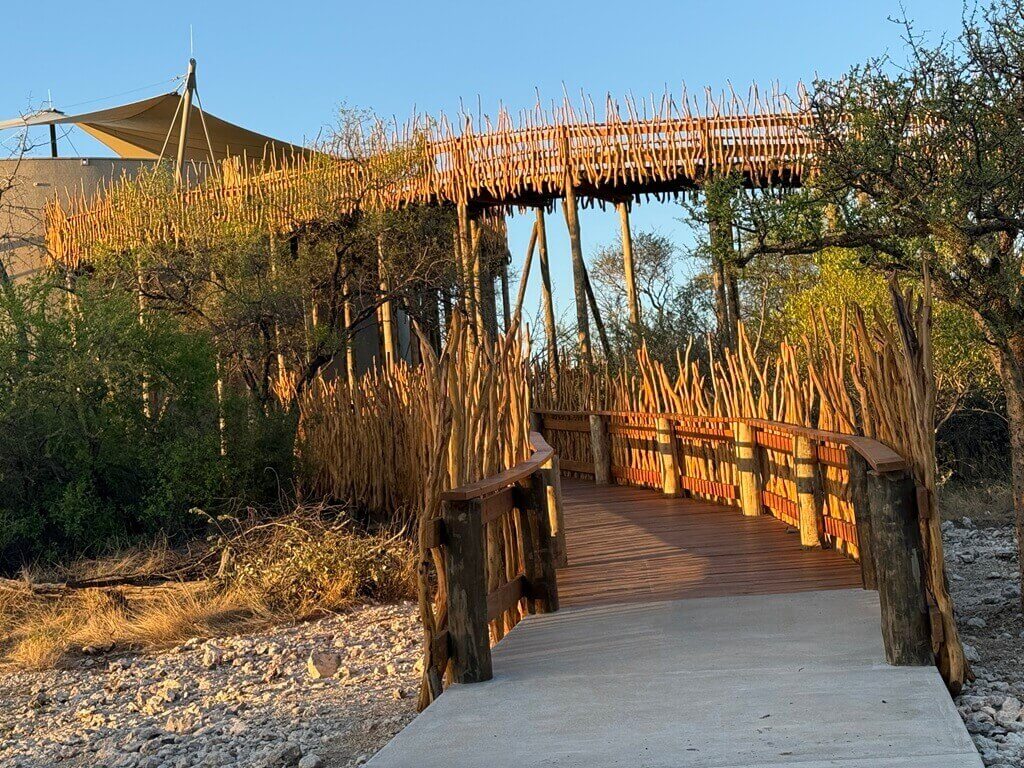
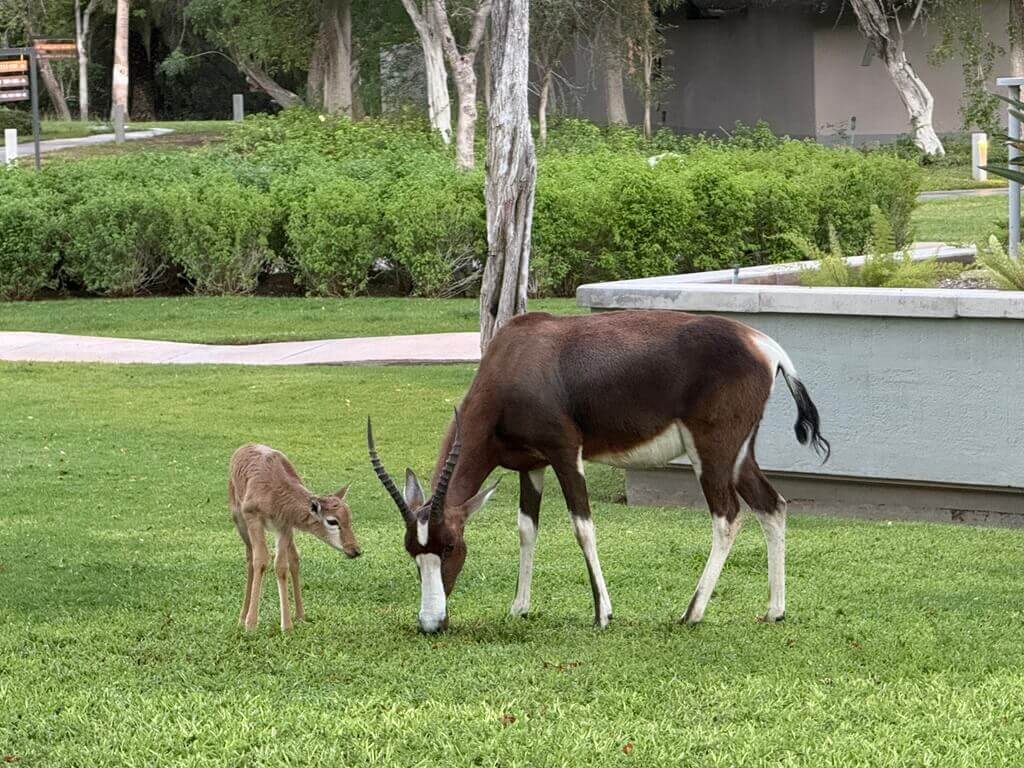
At Etosha, we had a wonderful safari drive with tons of wildlife. Dinner was at a massive restaurant called Boma, on stilts with a blazing sunset. This is where I had a caterpillar as a pre-dinner snack.
Day 6 Etosha Lodge and back to the train
Another safari drive but in the morning to see wildlife from an entirely different perspective and back to the train, which, by now, is starting to feel like home.
The Big Five, Little Five, and Ugly Five
You’ve heard of The Big Five animals wildlife lovers hope to see on safari: Lion, Leopard, Elephant, Cape Buffalo, and Rhino.
But did you know that Namibia’s ecosystem is so unique that it has developed its own Little Five? These are: The Namib Web-Footed Gecko, Peringuey’s Adder, Dancing White Lady Spider, Namaqua Chameleon, and the Shovel Snouted Lizard.
We were lucky enough to see the Namib Web-Footed Gecko which has translucent skin. You can actually see all its organs through its body.
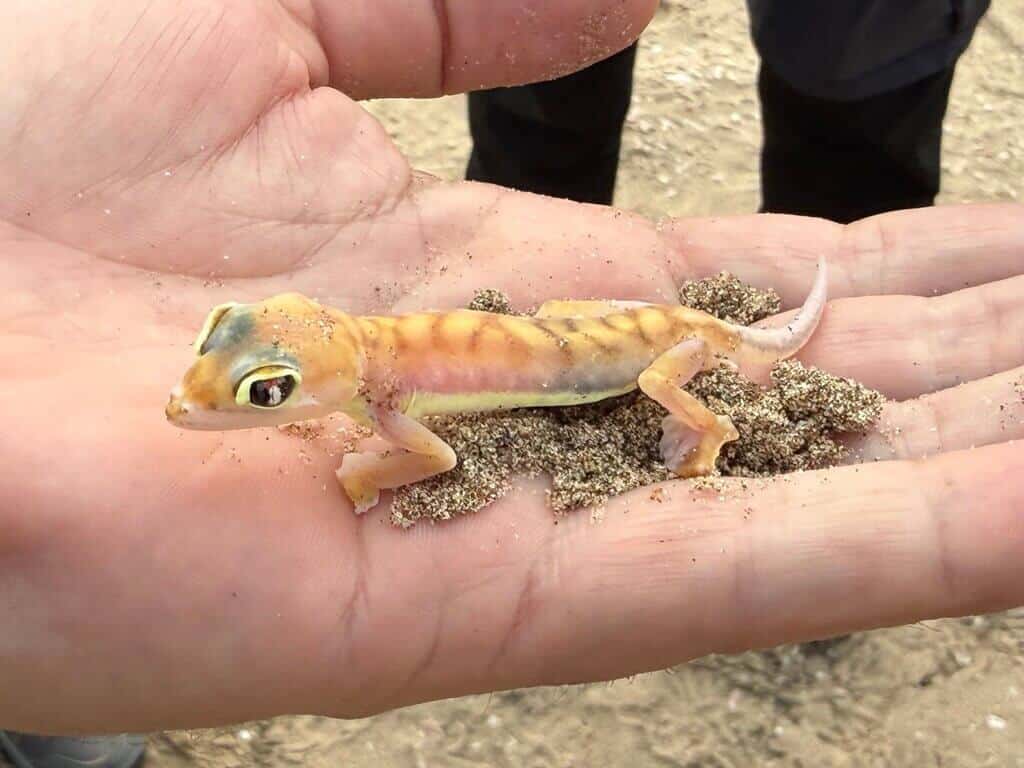
It has webbed feet to help it live in the sand without sinking and to burrow into the sand to escape enemies. To top it off, these geckos have no eyelids! They keep their eyes clean by licking their eyeballs.
And then there is The Ugly Five. These are animals that are often overlooked for their beauty, or lack thereof, but that are vital to the ecosystem. These are the wildebeest, warthog, vulture, hyena and marabou stork. These guys are so ugly that they are almost beautiful in some way.
Day 7 Sossusvlei Lodge at Sossusvlei National Park
Another overnight stay at a desert lodge, this time in Sossusvlei National Park, where the temperature was 109°F. Fortunately, they had air-conditioning and a pool to cool off.
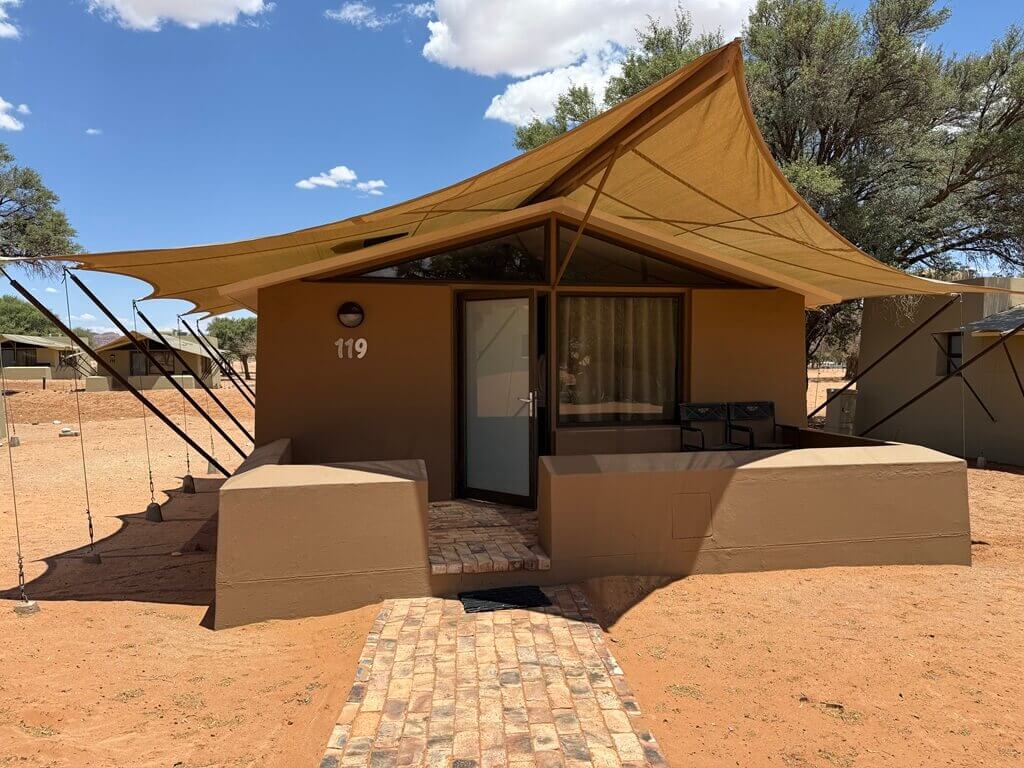
The lodge is so remote that we had to take a one-hour flight in a tiny plane to get there. Once there, we went on a desert safari where we saw an entirely different type of wildlife across this 5-million-year-old desert.
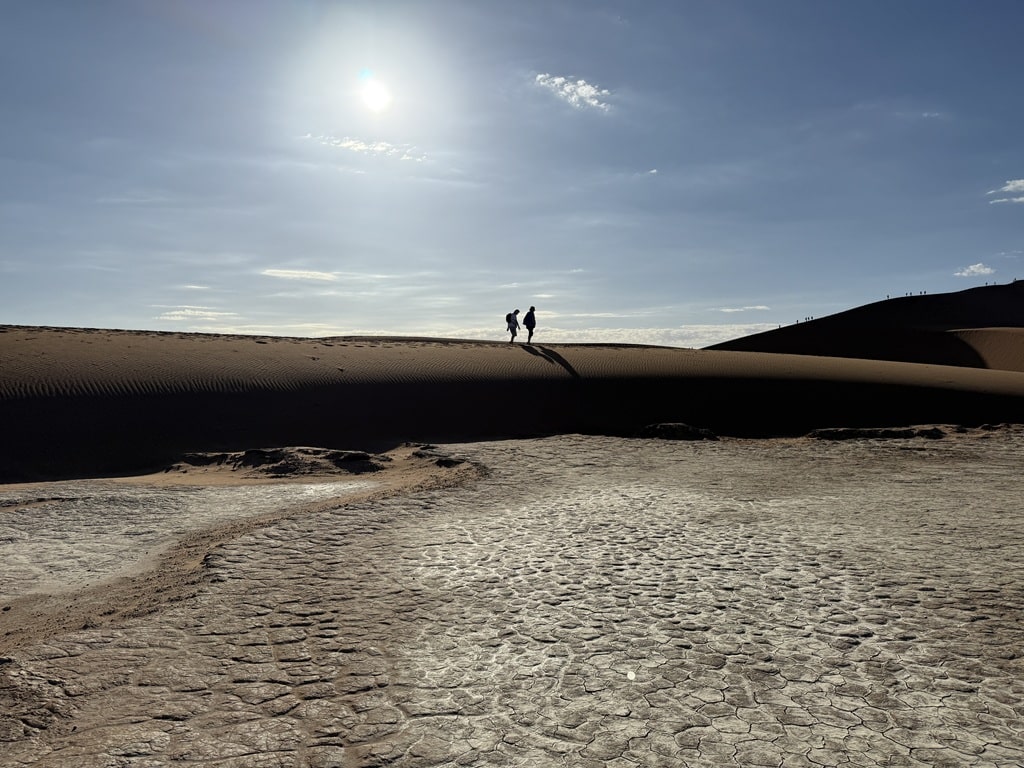
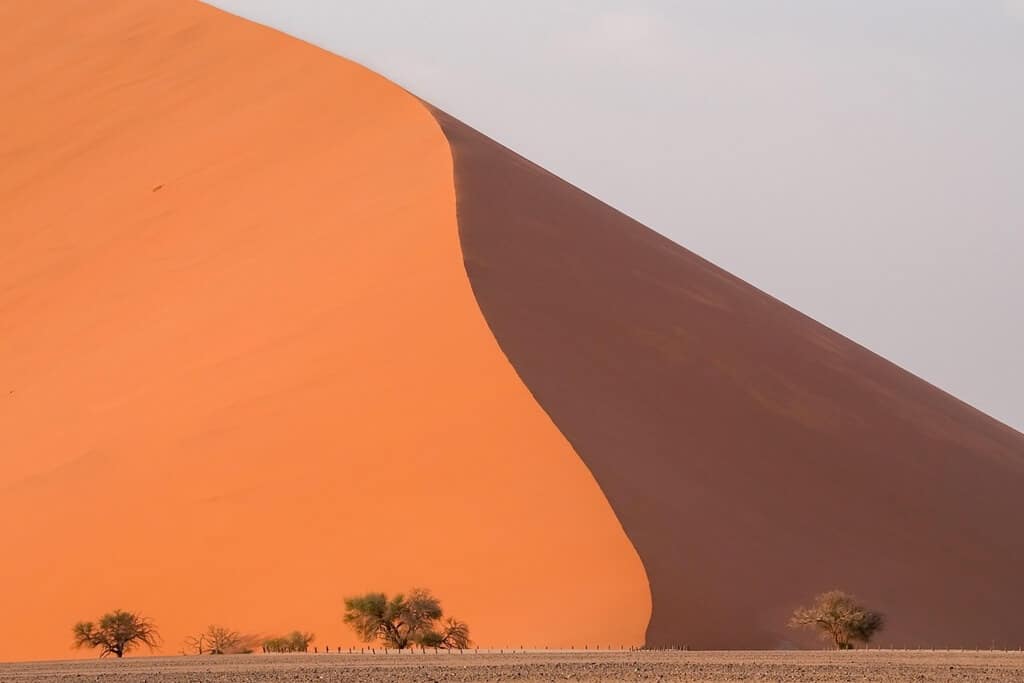
The park is famous for its majestic sand dunes, which you can actually walk on. These dunes are unique in the world due to their color and designs created by the winds. You can also go on hot-air balloon rides, sand surfing and wildlife exploration.

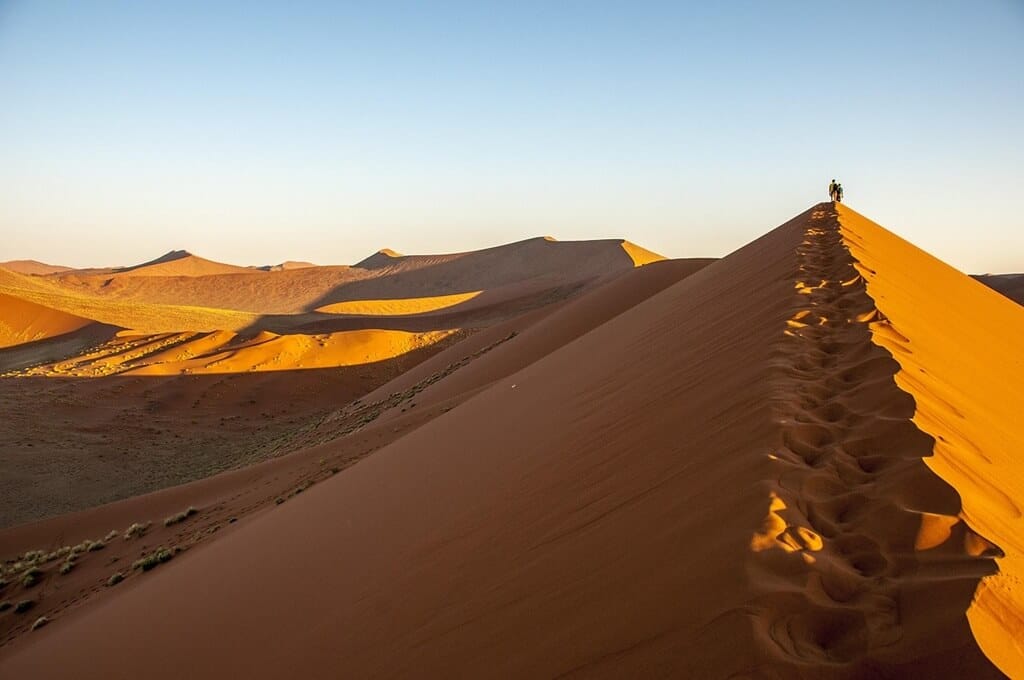
Dinner was a lovely desert BBQ experience in the open air with another blazing African sunset.
Day 8 Sossusvlei to Windhoek, the Capital City
One more desert safari today to see the mysterious and otherworldly trees and dry lake beds. Then it’s off to Windhoek, the capital city of Namibia and lunch at a local Country Club.
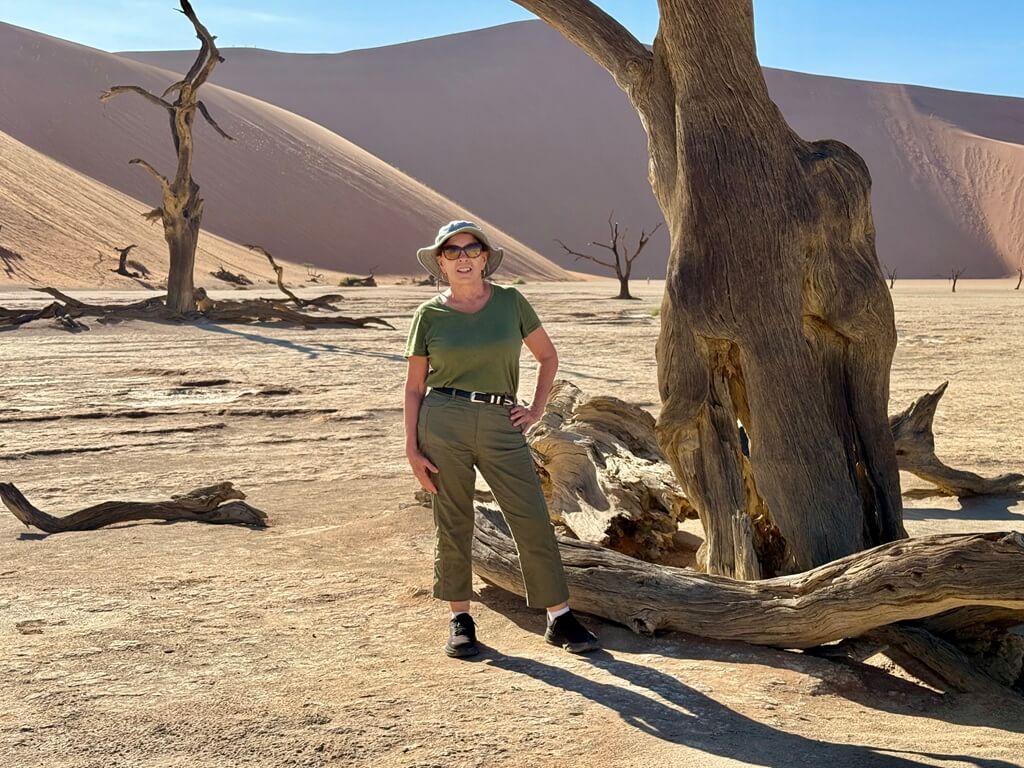
This was quite a shift from the desert to a luxury lounge in a modern city. Here is where I met with Mr. Vos, the creator of the Rovos Rail and was lucky enough to have lunch with him.
On the way to the next stop, the train traveled through the Kalahari Desert. You do not want to get stuck there.
Our next stop on the Rovos Rail Train Journey was Windhoek, he capital of Namibia.
I had no idea of what to expect from Windhoek. The city feels more like a welcoming town than a bustling metropolis.
Right away you notice the mix of modern cafés and offices alongside reminders of German colonial history. Old-world architecture that feels unexpectedly European against an African backdrop, but that’s part of the charm.
Windhoek is where many of the country’s traditions, languages, and communities come together. You’ll find handmade crafts and vibrant fabrics throughout the city’s bustling markets.
Foodies will revel in the varied food with everything from game meat specialties to international cuisine and great coffee spots.
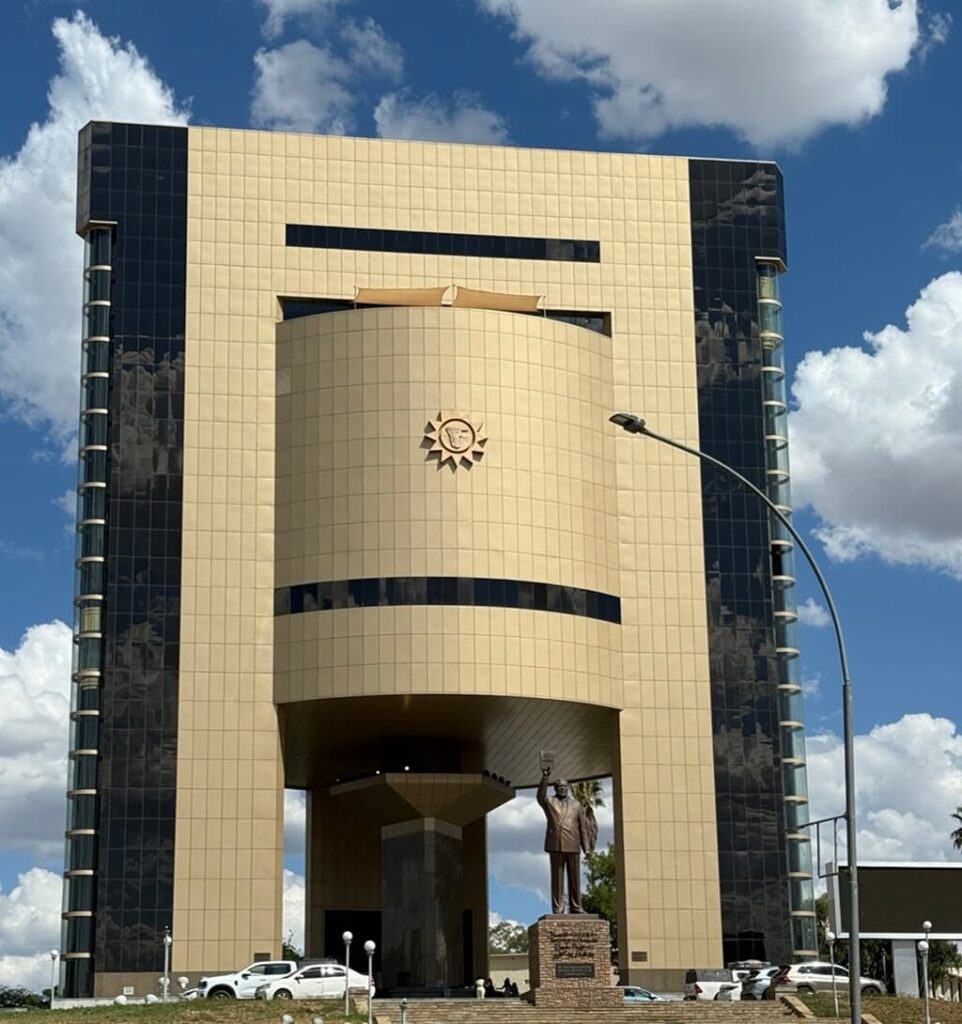
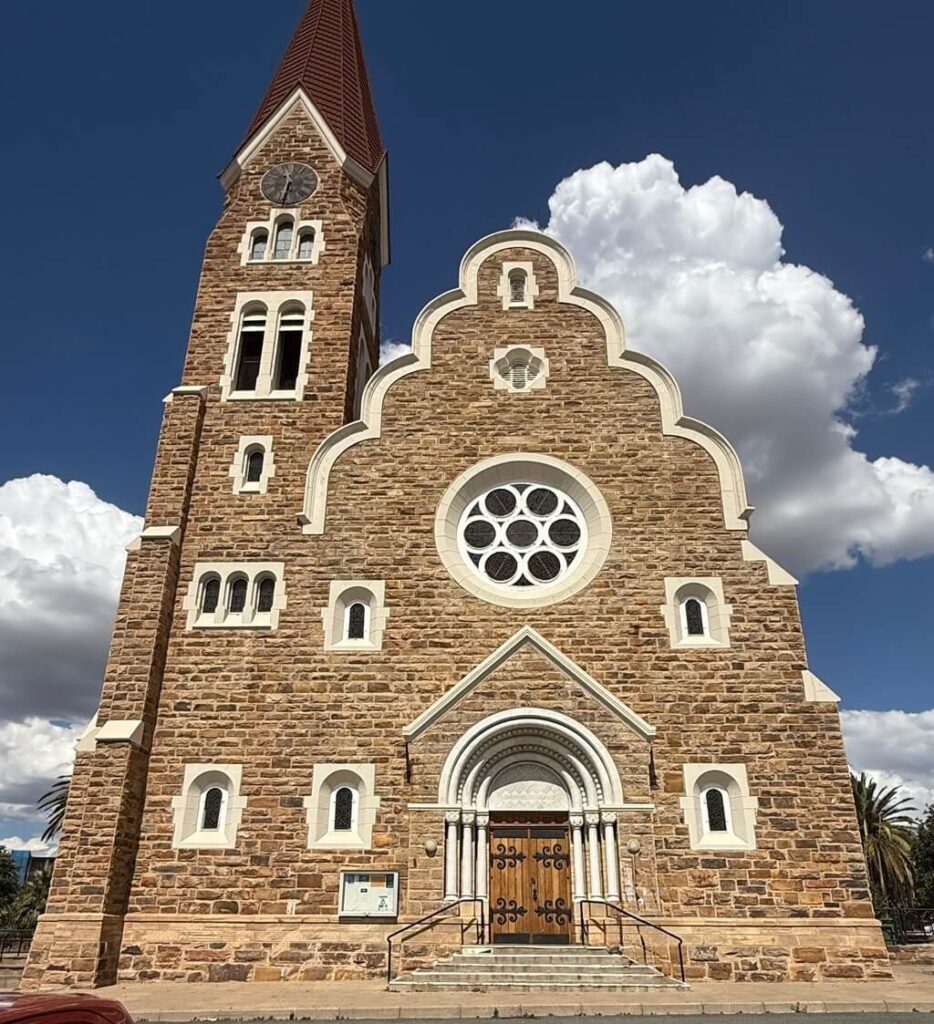
There are interesting museums and architecturally interesting churches providing a window into the city’s history. Windhoek is a warm, welcoming, character filled introduction to Namibia.
The Rovos Rail Story
The Rovos Rail story is one of those rags to riches affairs that inspire awe and admiration. In 1989, rail enthusiast and South African entrepreneur Rohan Vos thought it would be a good idea to revive the aging railway lines and transform them into a luxury travel experience reminiscent of the train travel hey days of the late 1800s and early 1900s.
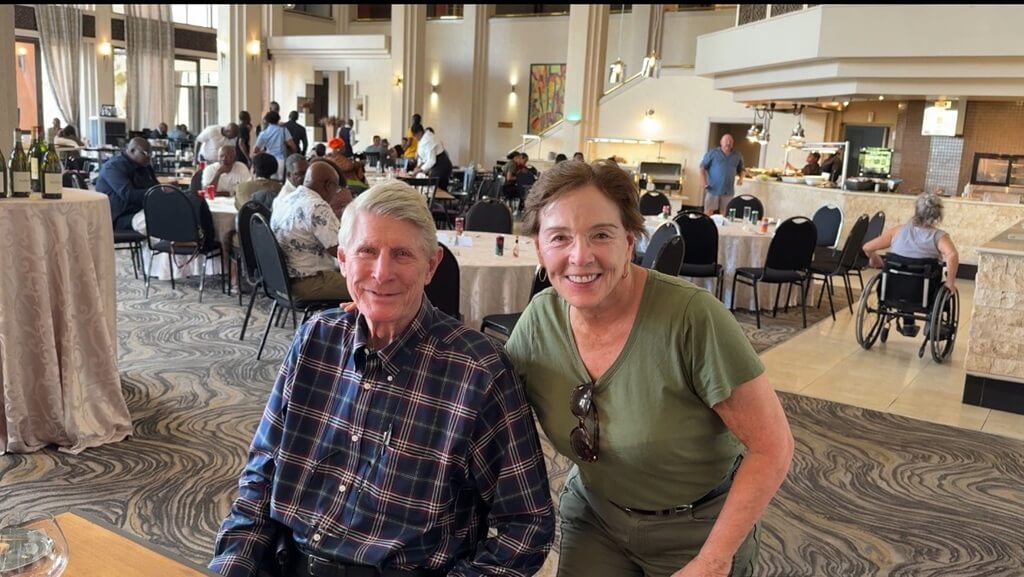
With just a handful of refurbished coaches, Rovos Rail launched its first journeys through Southern Africa, offering slow, elegant travel at a time when speed was what everyone was looking for.
Coaches were painstakingly restored to Edwardian and Victorian style, complete with polished wood, spacious suites, and fine dining. There were many obstacles, false starts and dashed dreams but Vos persisted.
Word spread quickly among travelers looking for something special. As demand grew, Rovos Rail expanded its routes, adding longer journeys across South Africa and into neighboring countries of Namibia, Zimbabwe, Zambia, Tanzania, and the Democratic Republic of Congo.
Each new route focused on the unique features of the country; wildlife, scenery, history, and cultural encounters rather than just rushing from destination to destination.
Over time, Rovos Rail earned a reputation as one of the most luxurious train journeys in the world. Its private station and headquarters in Pretoria became the heart of operations, housing workshops, museums, and immaculate trains.
The company continued investing in heritage locomotives and maintaining a level of service that blends old-world charm with modern comfort. The entrepreneurial bet paid off.
Today Rovos Rail operates a fleet of beautifully restored trains offering journeys that range from short scenic trips like the 3-night Pretoria to Victoria Falls journey, to epic transcontinental adventures like the Walvis Bay, Namibia to Pretoria route described in this post.
Rovos Rail train journeys are more than just transportation, Rovos Rail is now a symbol of slow travel done right—where the journey itself is the destination.
Day 9 Keetmanshoop and Garas Park
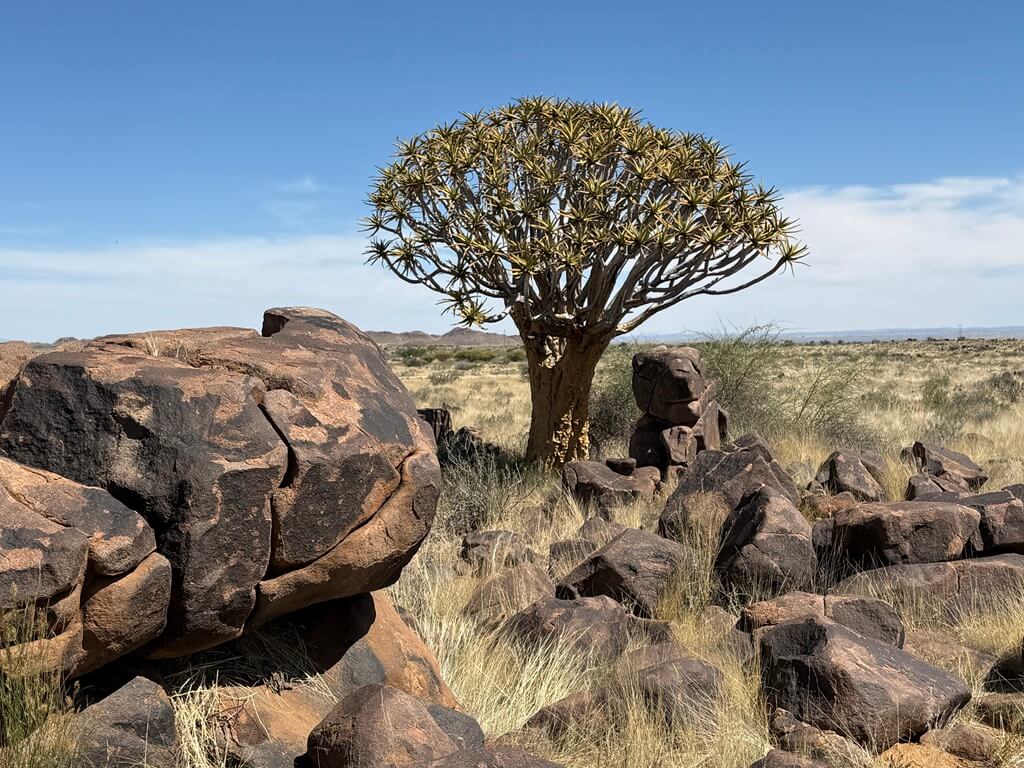
When you think of Namibia, you probably think of its emblematic trees, the Quiver Trees, so called because their bark is often used by the local people to create quivers to hold arrows. These trees grow to be 500 years old!
Quiver trees look almost otherworldly against desert skies. They are found mainly in the south, thrive in harsh conditions and actually glow at sunset. How otherworldly is THAT?
Day 10 Meetscoop and Kolmanskop
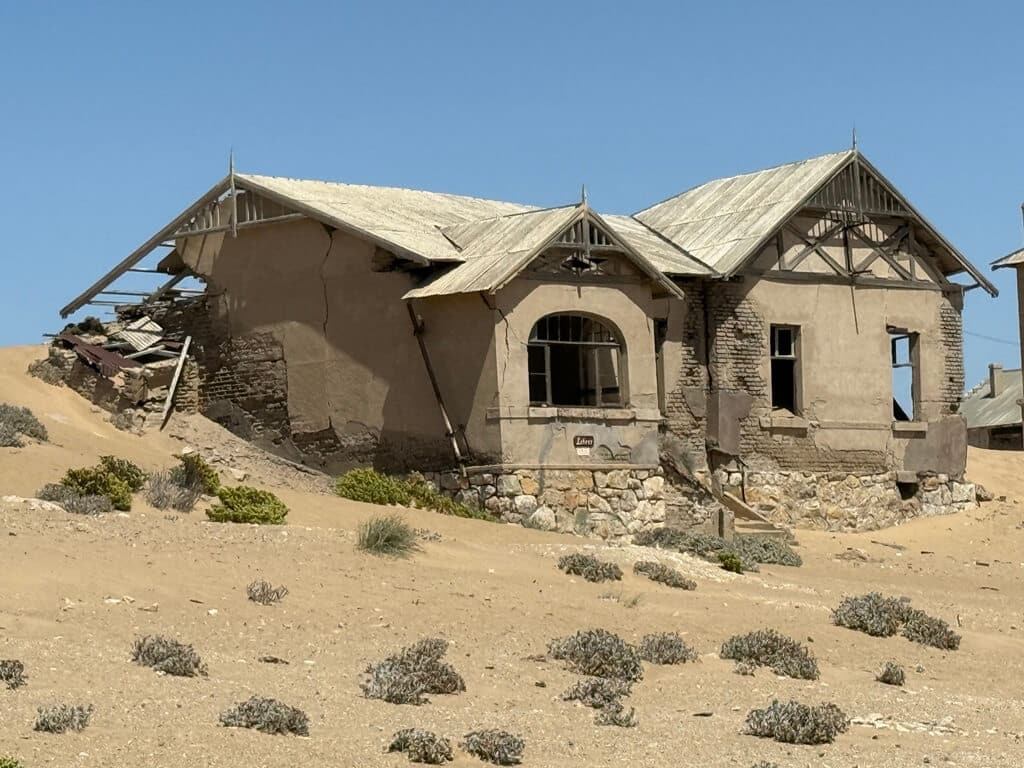
This was one of my favorite days on the Rovos Rail train journey. I was always fascinated by ghost towns and Kolmanskop is one of the best.
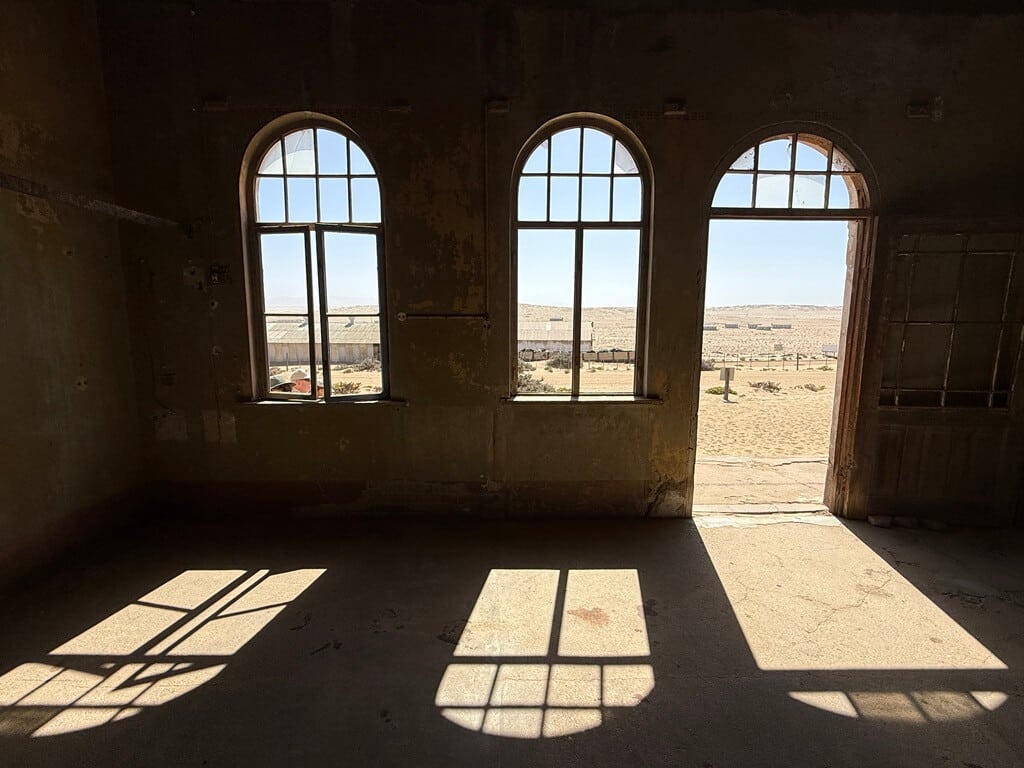
Kolmanskop, in southern Namibia, began in 1908 after diamonds were discovered in the desert sands. Almost overnight, a small settlement grew complete with grand houses, a hospital, school, and even a bowling alley and ice factory!
Built to support booming diamond mining, Kolmanskop thrived for a few decades. But as diamond yields declined and richer deposits were found elsewhere, residents slowly left.
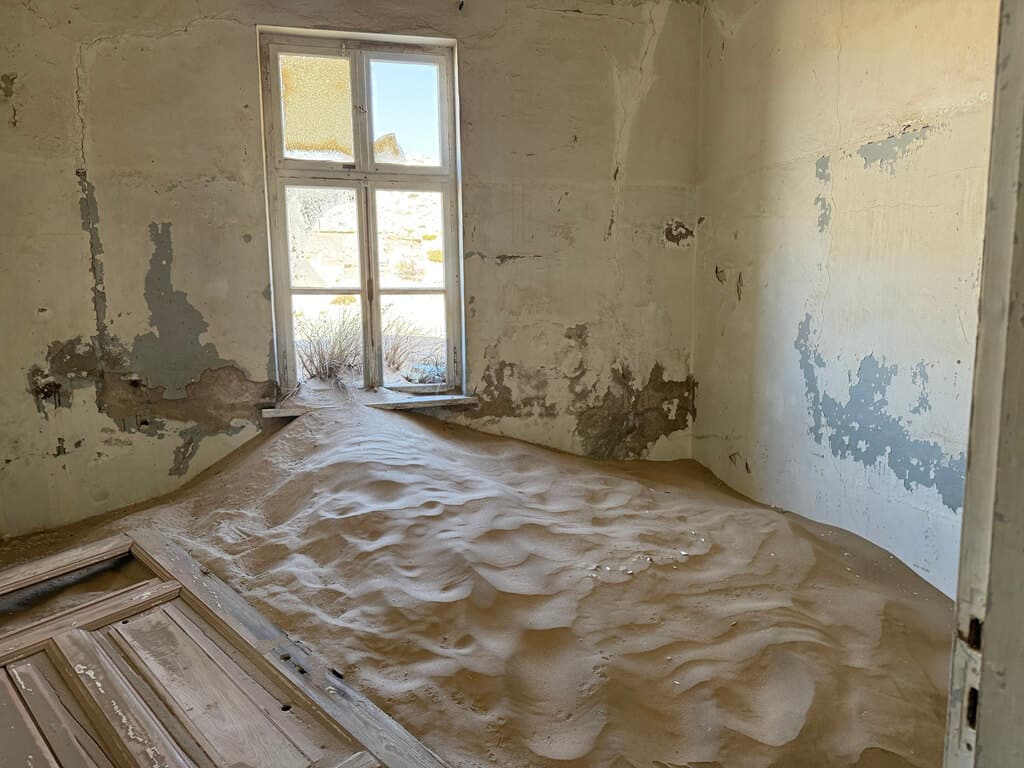
By the 1950s, the town was completely abandoned. Today, drifting sand fills its empty buildings, turning Kolmanskop into an eerie, unforgettable ghost town. The town existed for only 50 years.
This was also the day when the train put on Africa night when the guests dressed up in Africa-themed costumes.
Day 11 Orange River Canyon
Goodbye Namibia, hello South Africa. The Rovos Rail train journey winds its way out of Namibia and into South Africa. On the way we stopped at the Orange River Canyon, the largest canyon on Earth after the Grand Canyon in the United States.
The Canyon authorities provide drinking water for the wild horses and other animals that inhabit the area. It is a thrill to see them galloping in the wild.
Day 12 Cruise on the Orange River and Wine Tasting
The Orange River is the longest river in southern Africa running through three countries: Namibia, South Africa and Lesotho. Rovos Rail arranged for us to cruise the river.
As in most places, the river is lined with the homes of the wealthier residents.
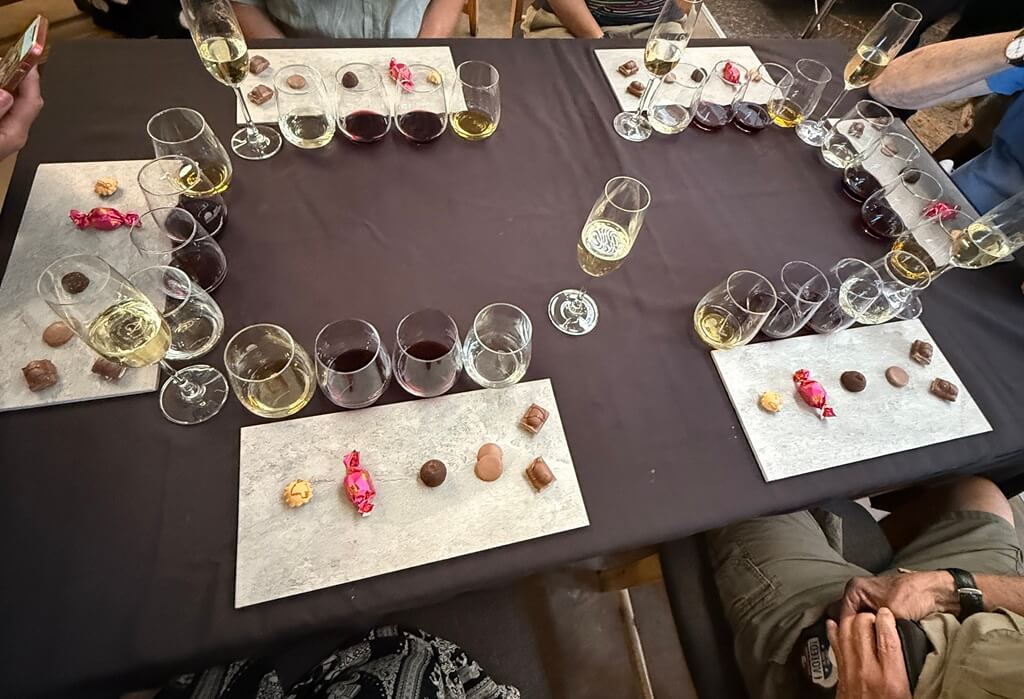
After the cruise we were treated to a wine tasting at the Orange River Cellars where we sampled amazing South African wines.
Day 13 Kimberly Diamond Mine
The Kimberly Diamond Mine is a UNESCO World Heritage site. It is known as the “Big Hole” famous for the massive excavation at its center. This mine helped establish the De Beers diamond empire which was open from 1871 to 1914.
Today the mine is a tourist attraction with a museum displaying the history of diamond mining and related artifacts.
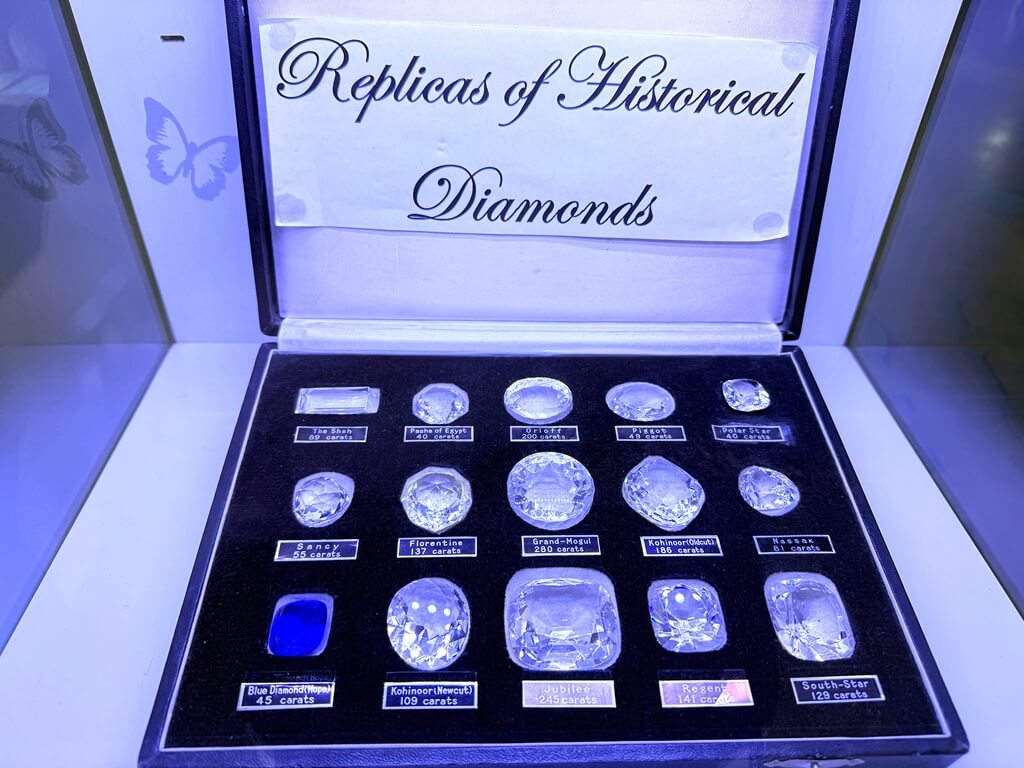
There are diamond samples everywhere, mostly replicas, of course. But it’s fun to see how large some of the most famous are and to learn about their characteristics.
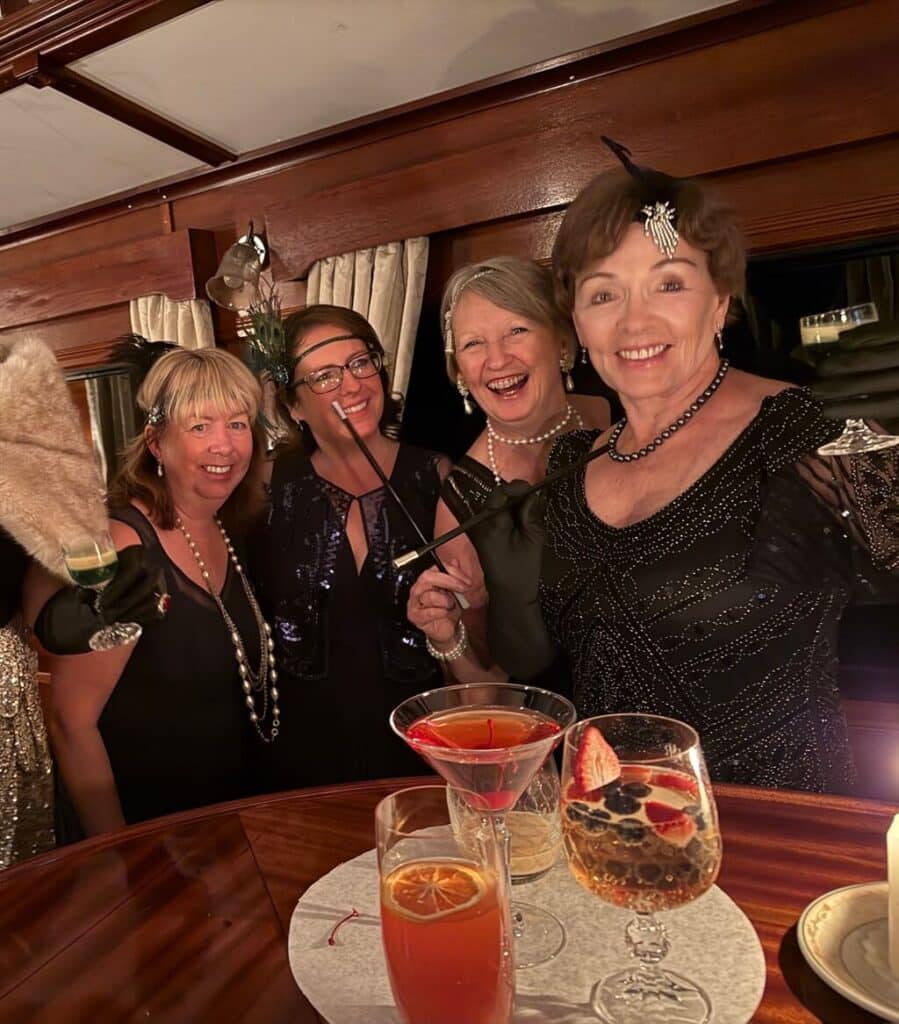
The last night on the Rovos Rail train journey was one of my favorites, as I love to dress up in costume. The theme was 1920s and all guests were encouraged to dress the part.
The piped-in music was jazzy and the wine and drinks flowed. Everyone got into the swing of things and a good time was had by all. The perfect night.
Day 14: After Lunch, arrive at Pretoria and the end of the journey
Pretoria is the end of the Rovos Rail train journey. An incomparable journey across southern Africa.
If you enjoyed this post and want to know more about Namibia, check out these useful reference books.


What are your thoughts on the Rovos Rail train journey? Let us know in the comments.

BTW, if you are getting ready for your trip, make sure to take advantage of these useful, money-saving links to book your trip:
- Research and book your flight with Skyscanner. I have found them to be the best because they list all airlines including the budget ones. You are always sure of having researched all options.
- For car rental around the world, Discover Cars has flexible pickup and drop-off options, I recommend Discover Cars.
- Book your accommodation with Booking.com. I find they have a wide selection and a nice, user-friendly, transparent website.
- Protect your trip and, more importantly, protect yourself with travel insurance. I use Travelinsurance.com and have been very happy with them.
- For more general tours to any destination or attraction, book with Viator. Check them out.
- Need a visa? Get your visa for all countries with Passport Visa Express.
- Looking for a cool walking tour to explore a city? My favorite walking tours are offered by Take Walks.
- Food and drink tours are the best way to enjoy a city. And Devour Tours are my favorite.
- Looking for a good VPN to protect your security, privacy and freedom online while traveling? Nordvpn is your best option.
- The best and most economical way to stay connected while traveling is with an Airalo eSIM.
I personally use, and can recommend, all the companies listed here and elsewhere on my blog. By booking through these sites, the small commission we earn – at no cost to you – helps us maintain this site so we can continue to offer our readers valuable travel tips and advice.

















5 Responses
Wow, what an adventure.
What was the cost in U.S. dollars?
Here are the details including pricing. https://rovos.com/
What an incredible travel experience! Luxury train journeys like this really bring back the charm of slow travel, where the journey itself becomes part of the adventure. Exploring landscapes, wildlife, and historic places across Southern Africa by train sounds unforgettable. Thanks for sharing such a detailed travel story!
Really enjoyed reading about this journey. Luxury rail travel is becoming popular again because it allows travelers to explore multiple destinations while enjoying comfort and great service. Southern Africa looks like an incredible place to experience this kind of slow and scenic travel.
Thank you so much for your comment. I’m glad you enjoyed the article and I hope I inspired you to travel on Rovos Rail.